The field
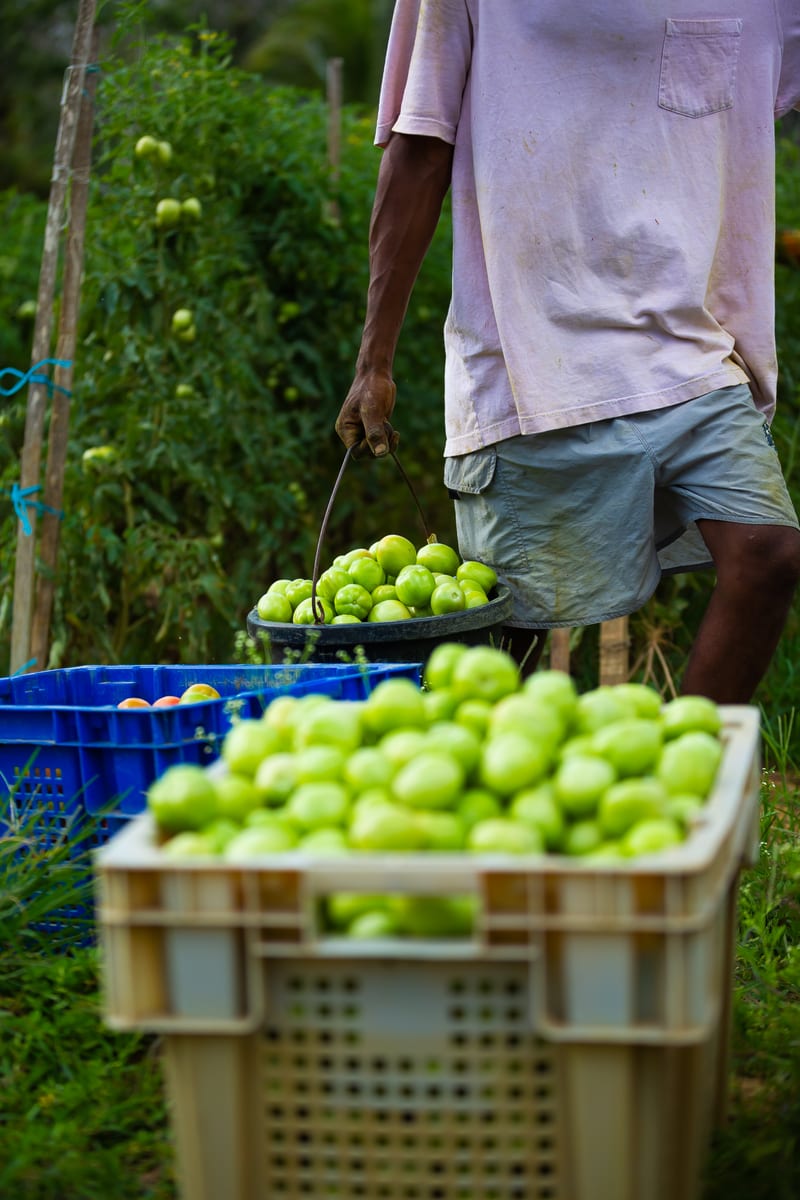
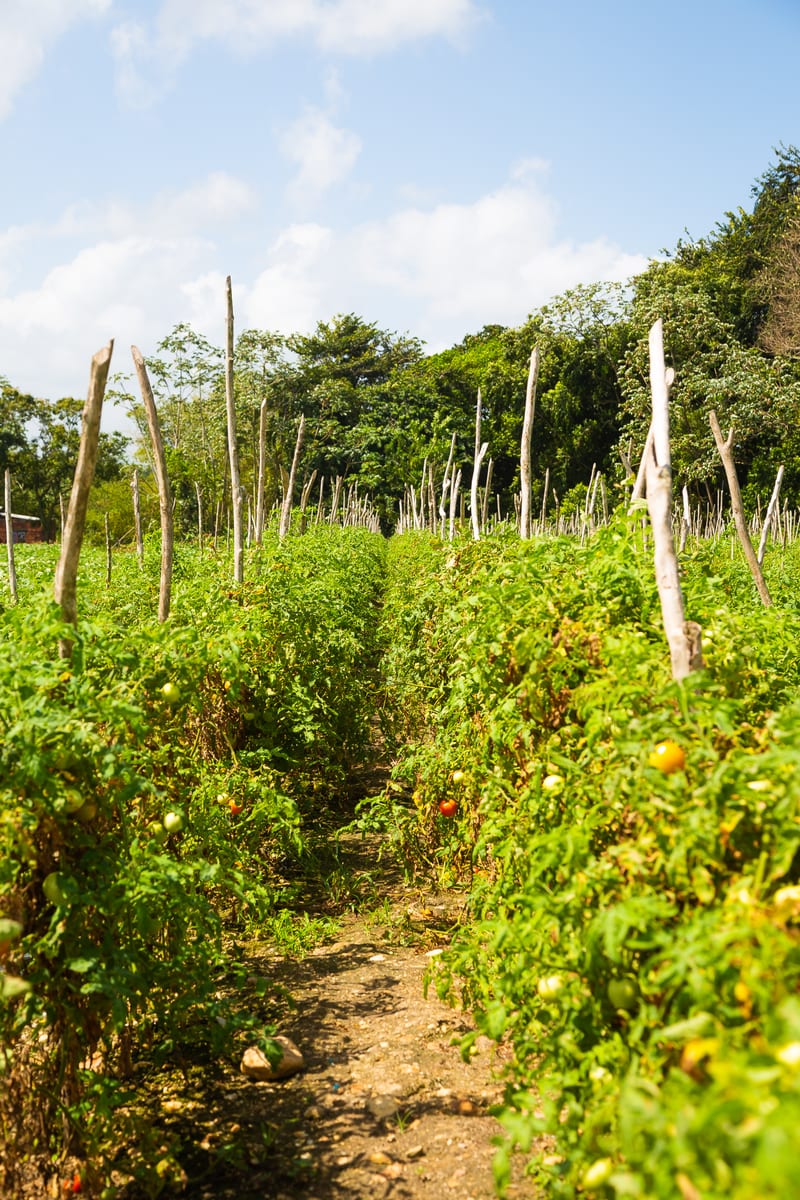
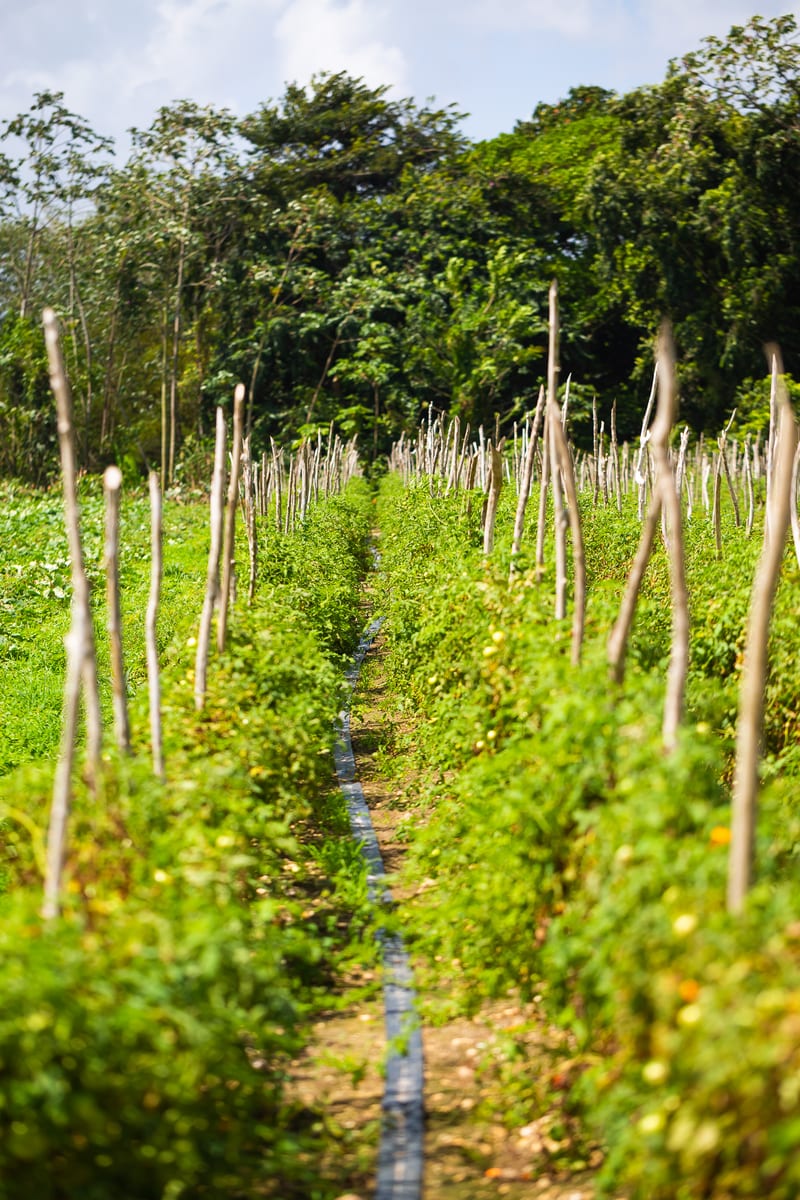
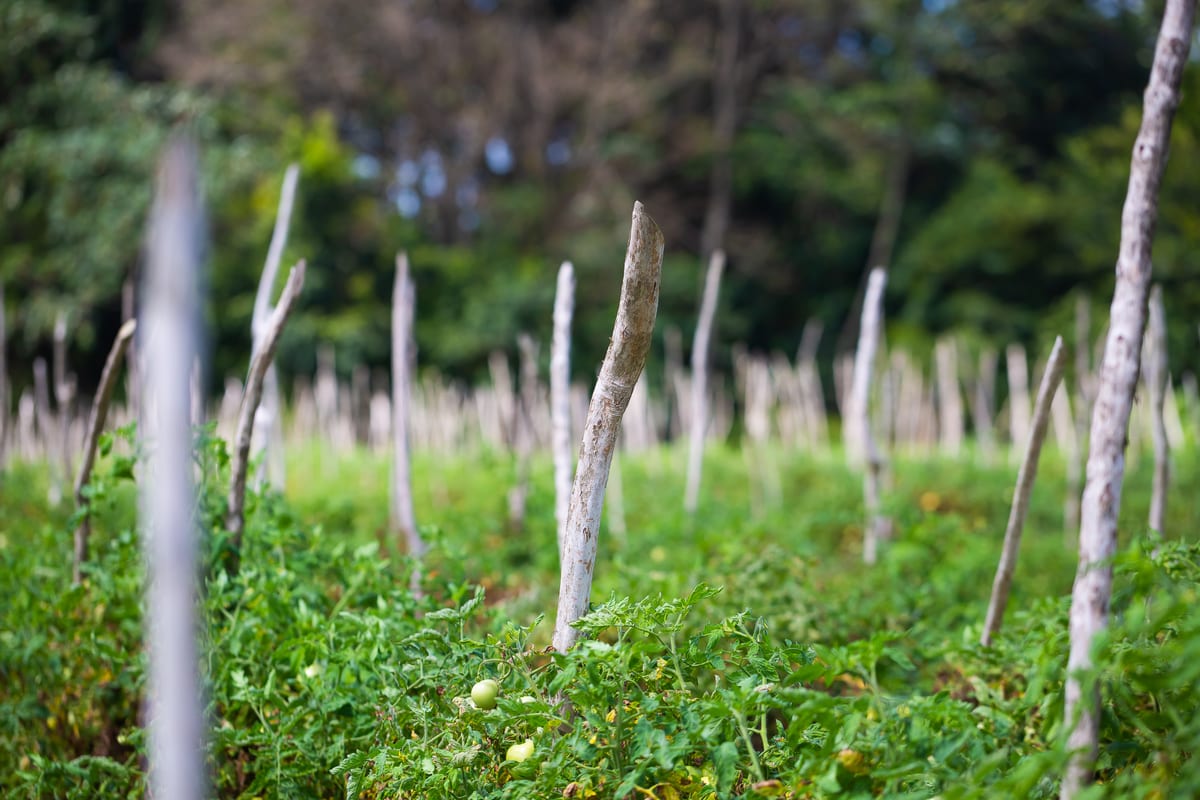
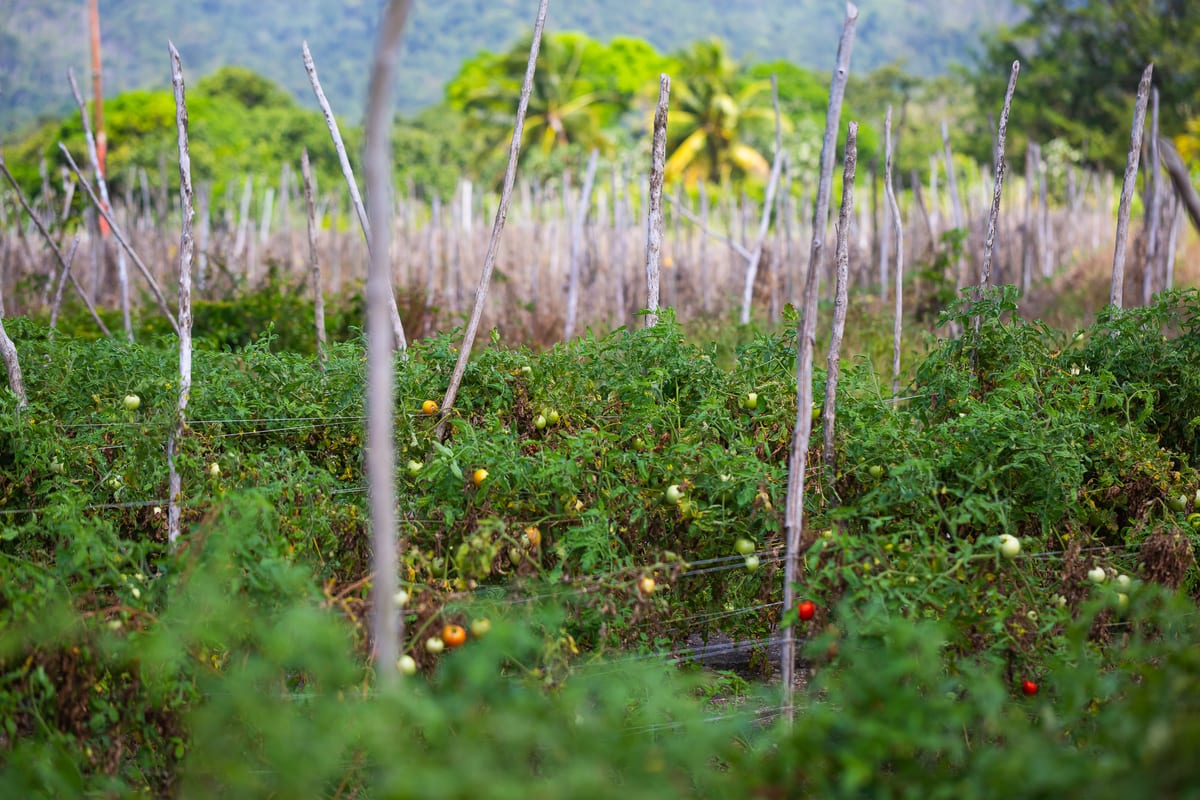
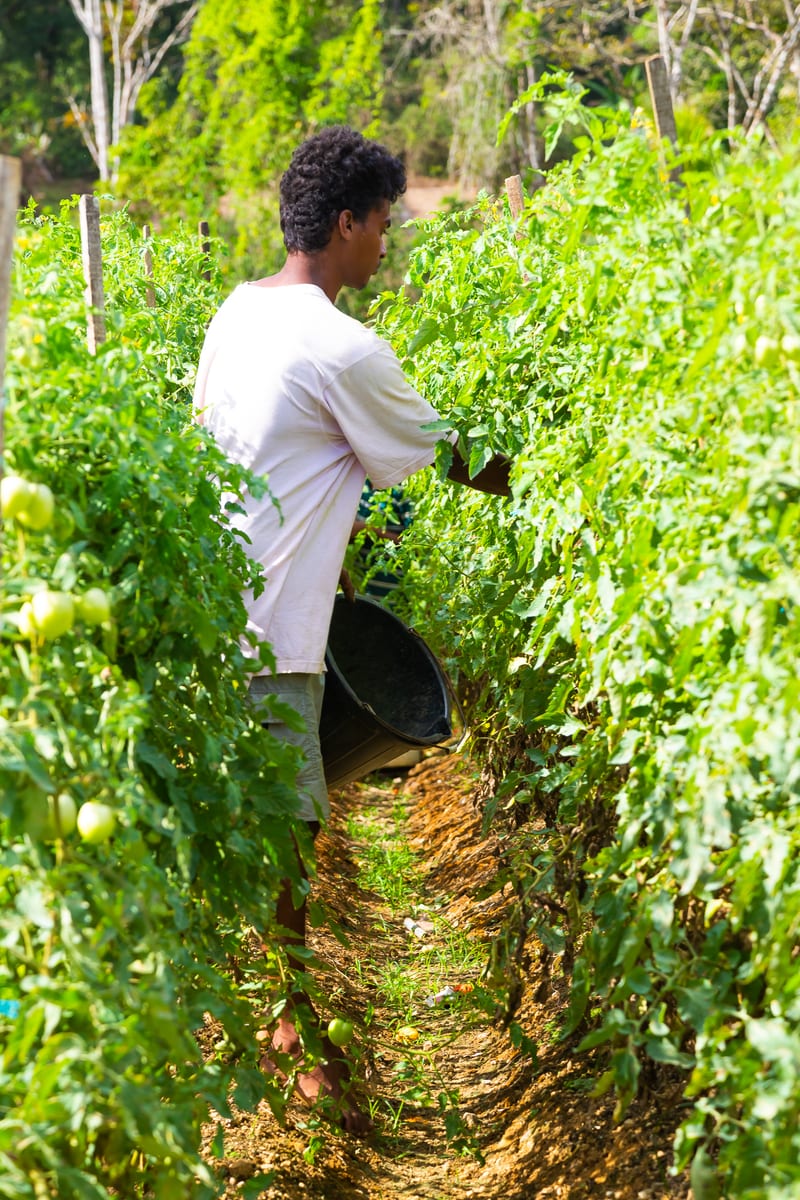
Tomatoes in these fields were grown on stakes, the plants tied up so the fruit hangs clear of the soil. Staking keeps fruit cleaner, lets air move through the plants and makes picking easier along the rows.
On the vine
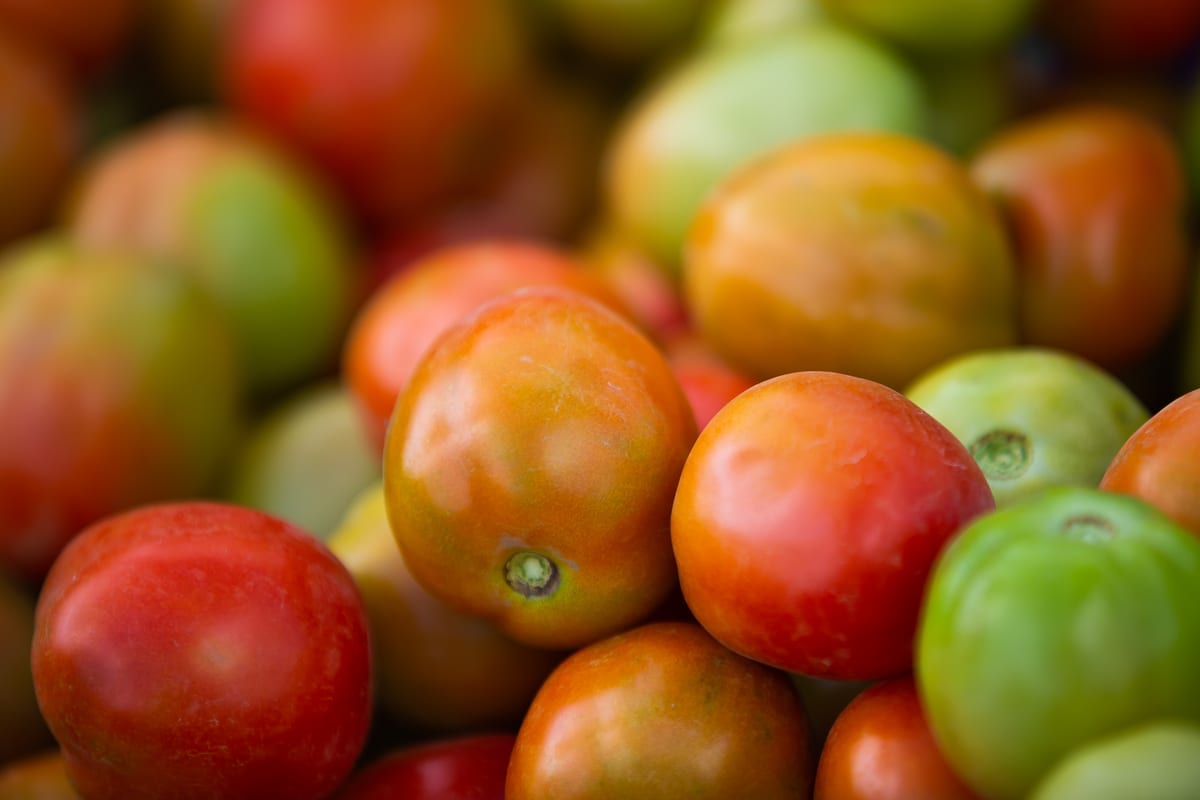
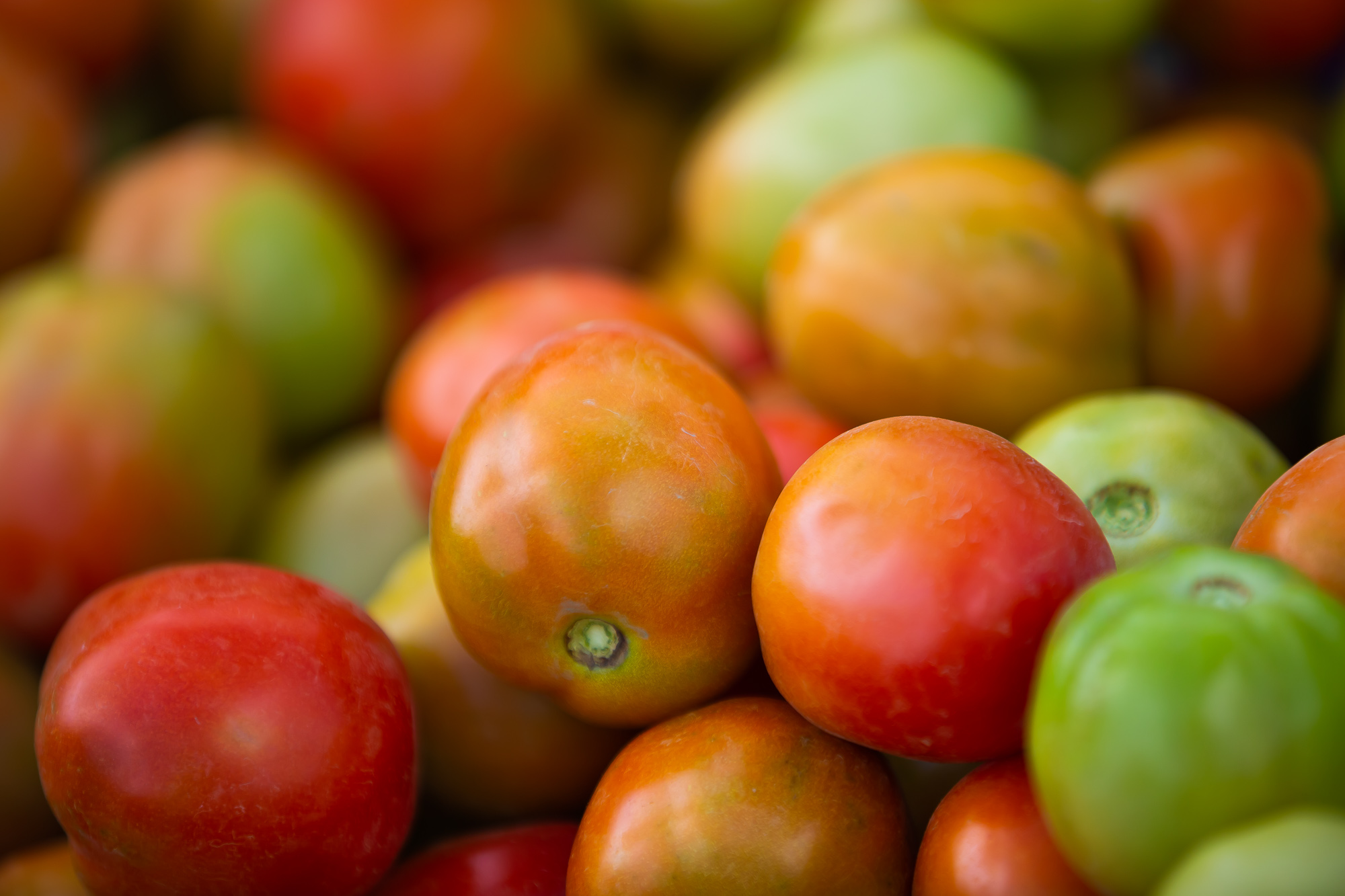
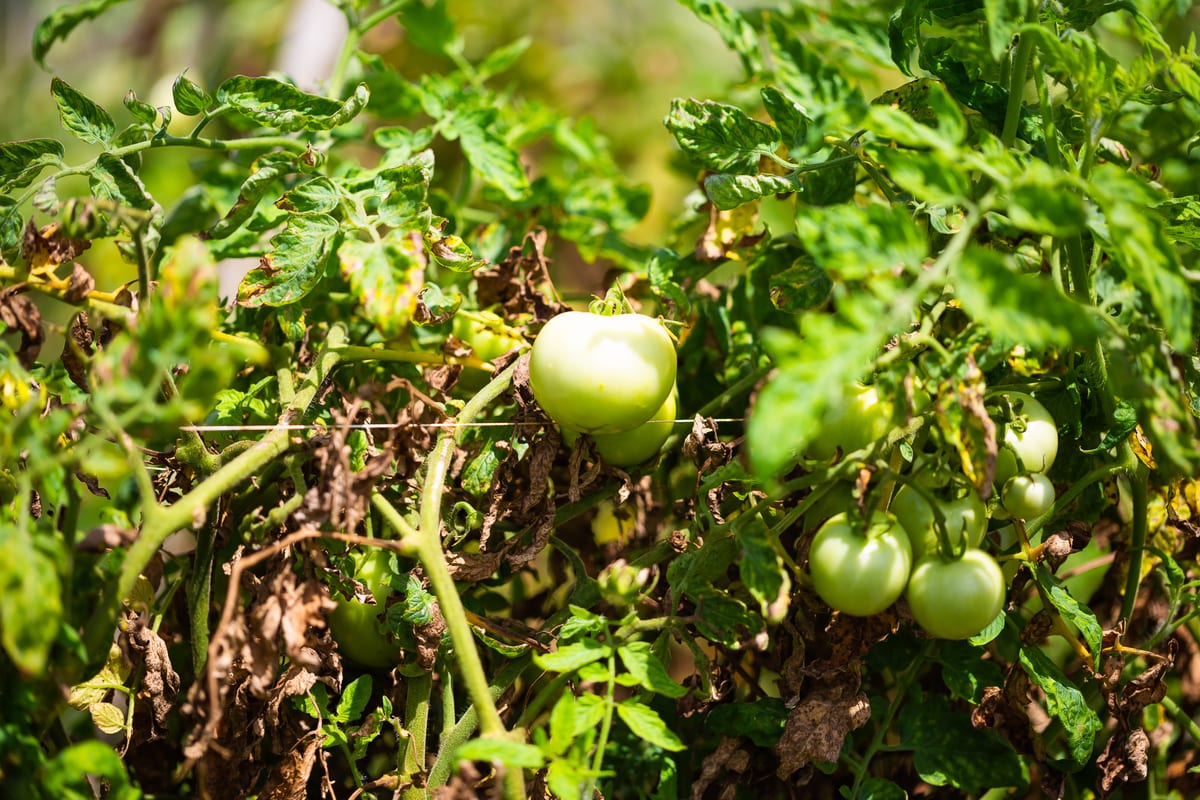
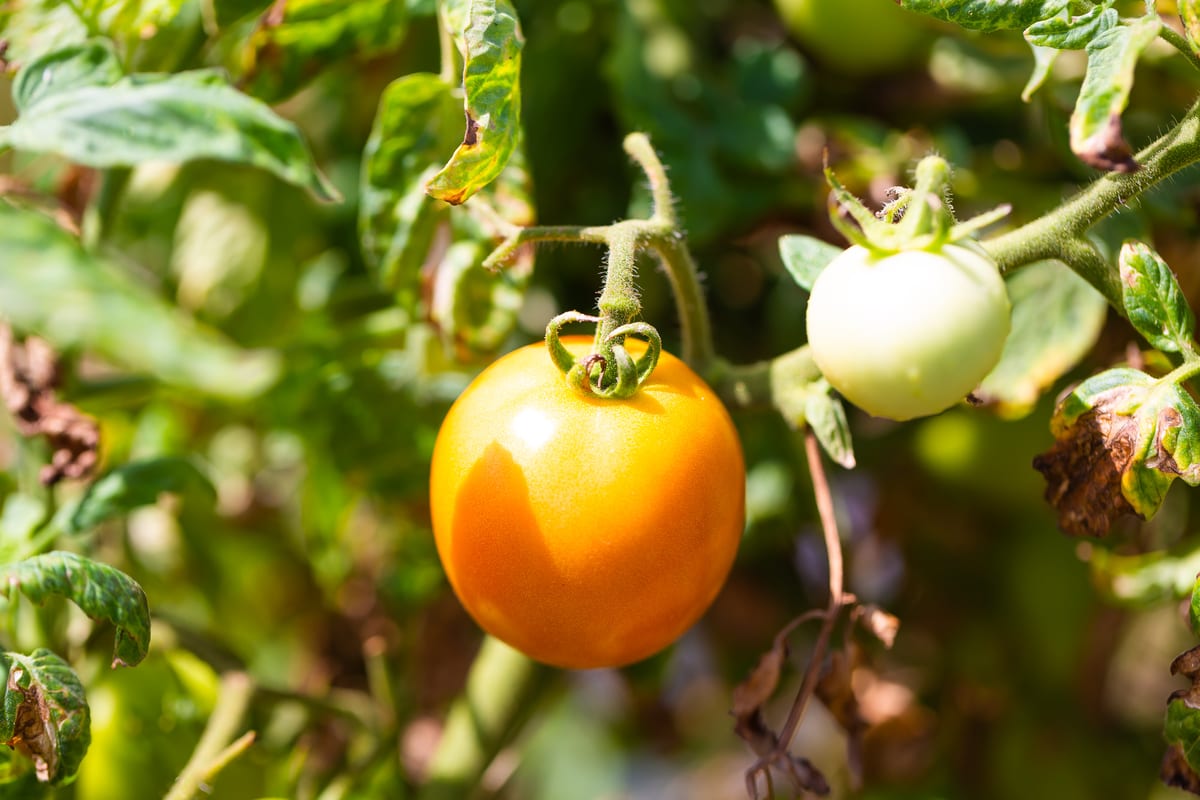
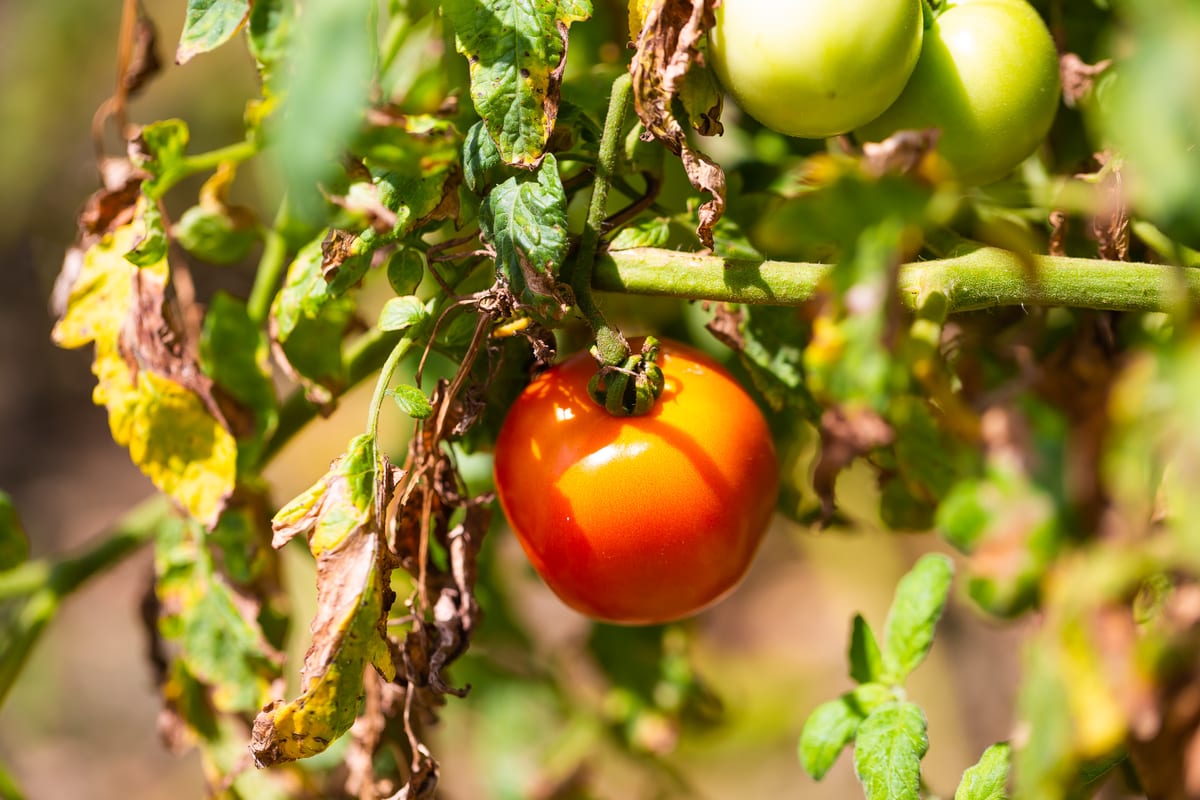
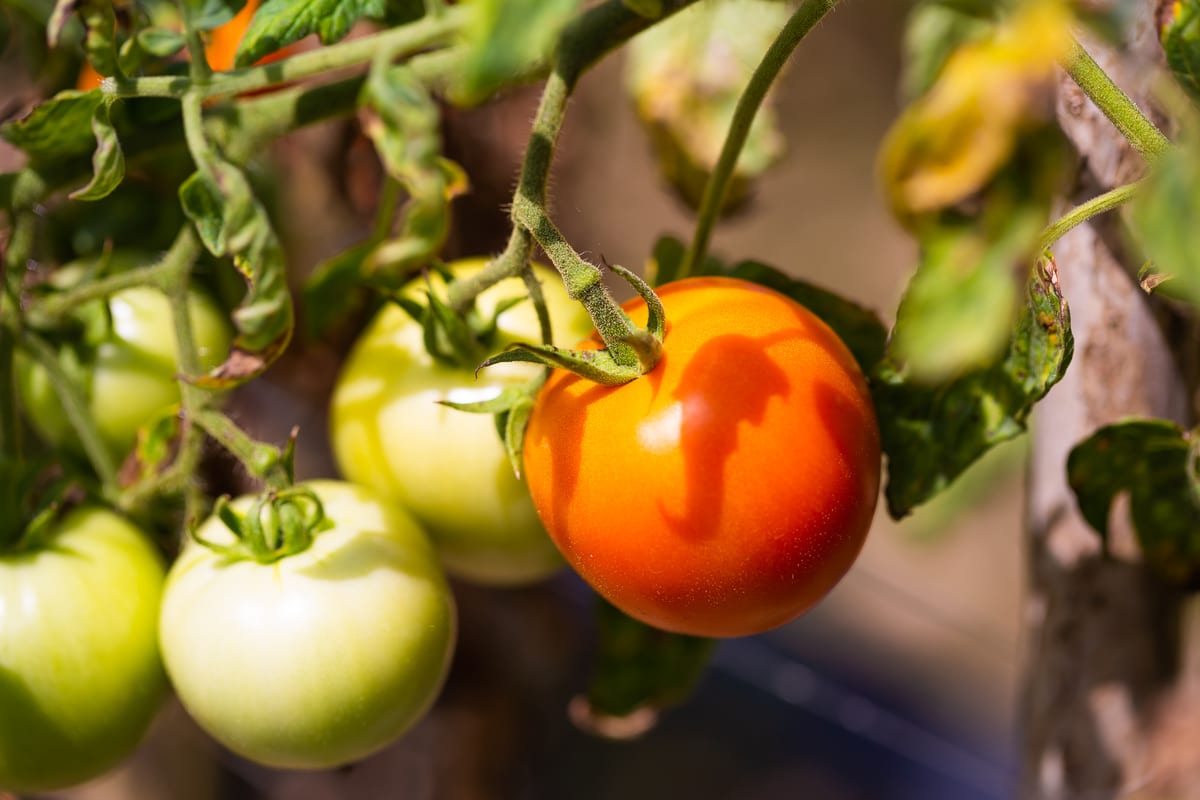
Colour is the simplest guide to where a tomato is in its life. A widely used grading scale runs through six stages: green, breaker, turning, pink, light red and red.
A fruit picked at mature green will still ripen off the plant; one picked before it is mature will not ripen properly. The photographs here show different fruit on different plants, not one fruit over time.
Harvest
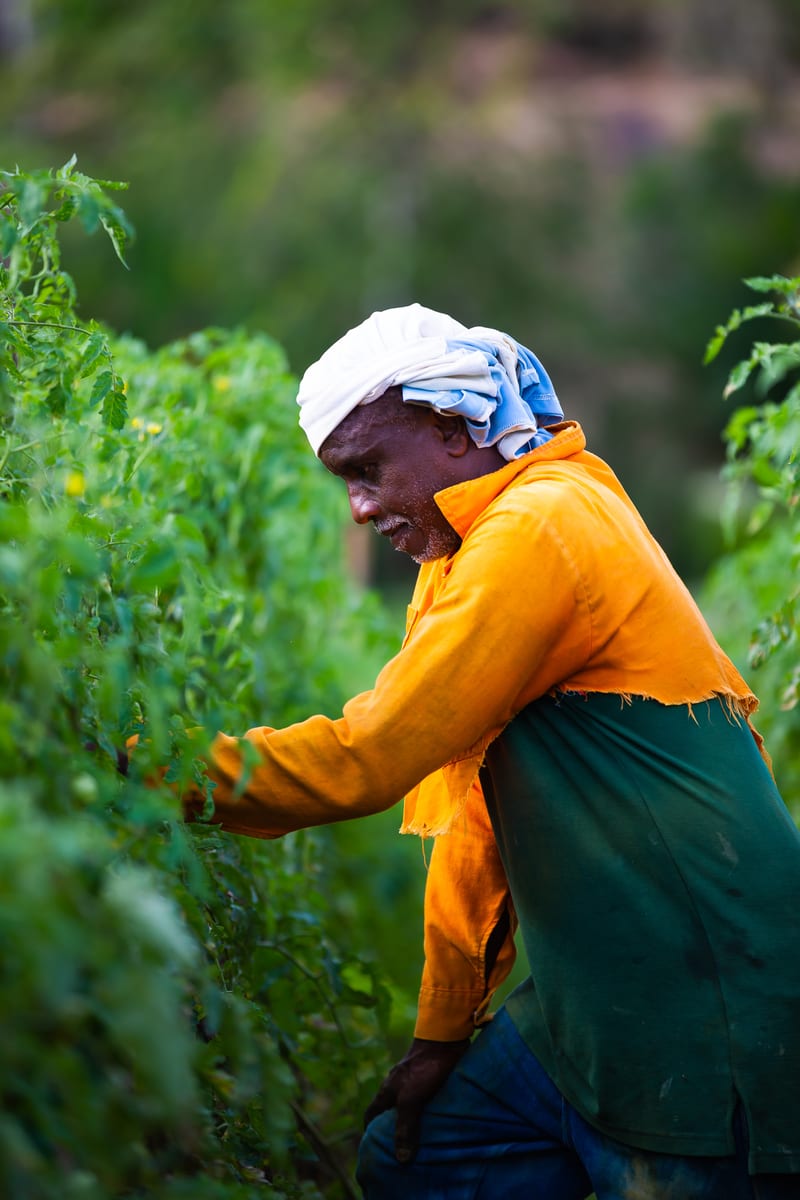
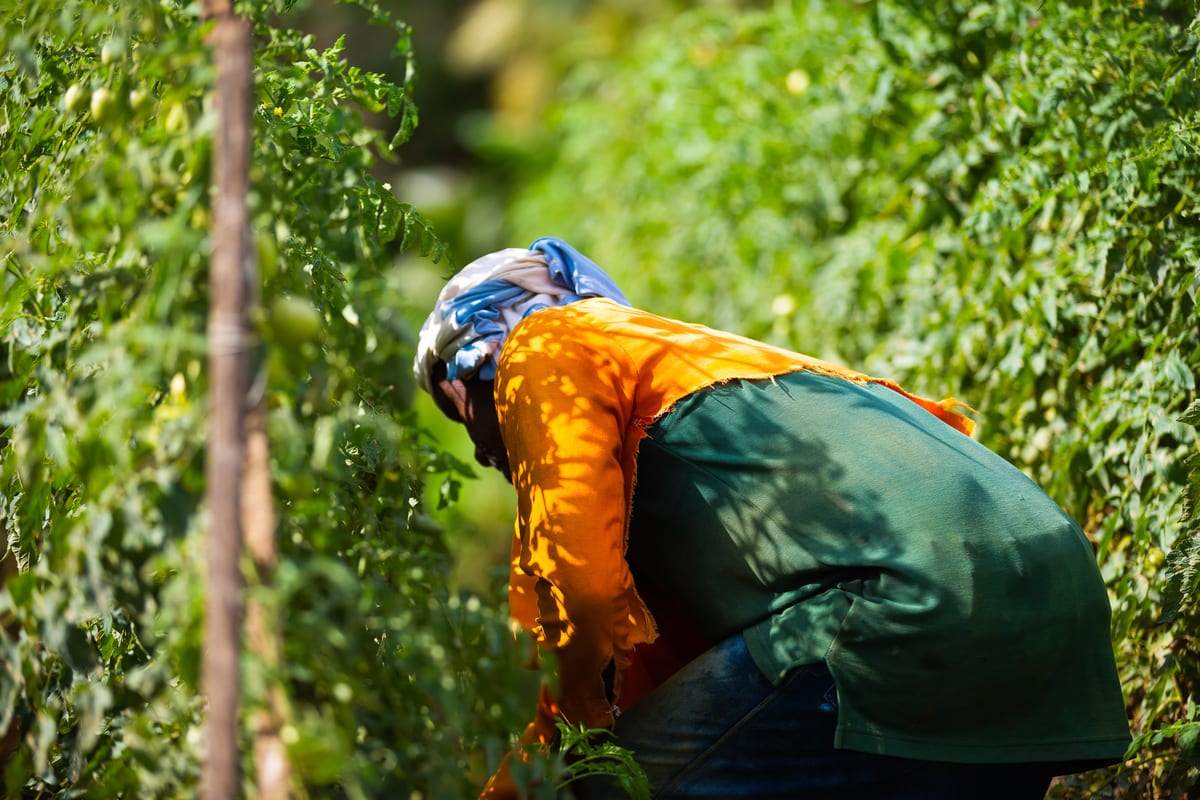
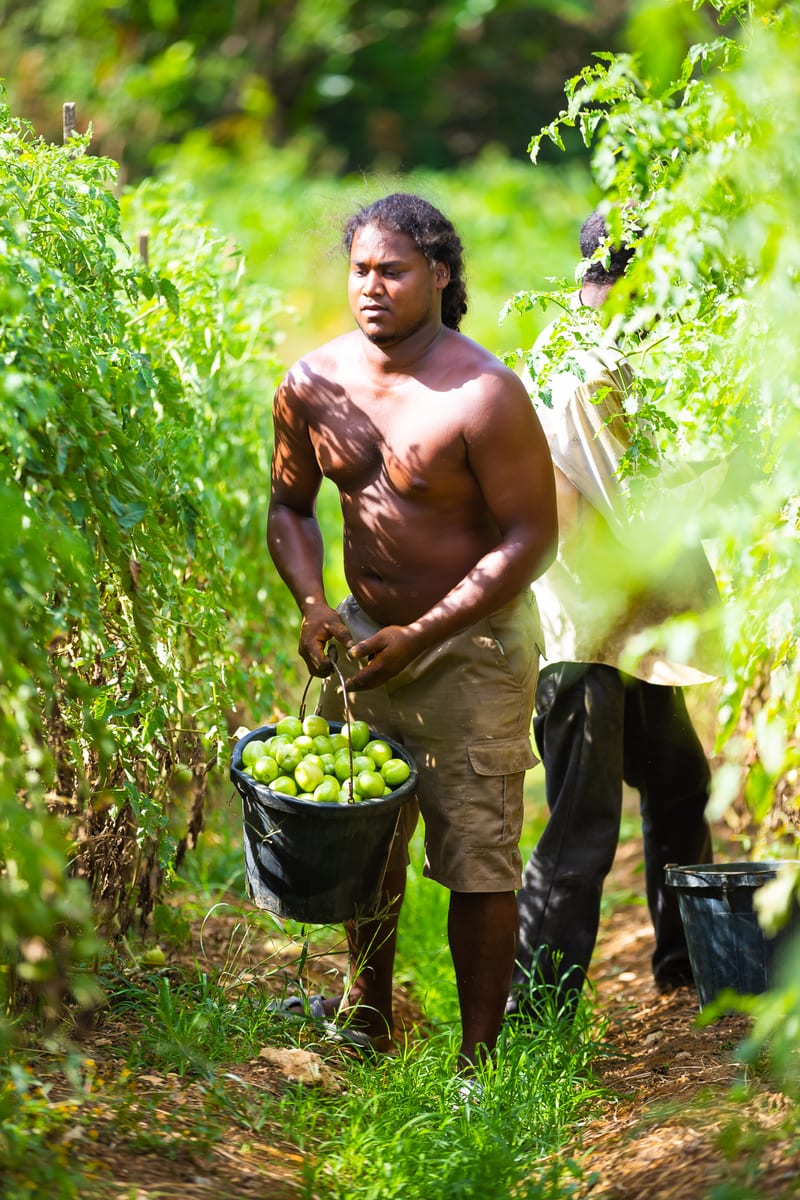
Picking is done by hand, plant by plant. Fruit for market is often picked green or just turning, because firm fruit survives the journey better than ripe fruit.
Crates and handling
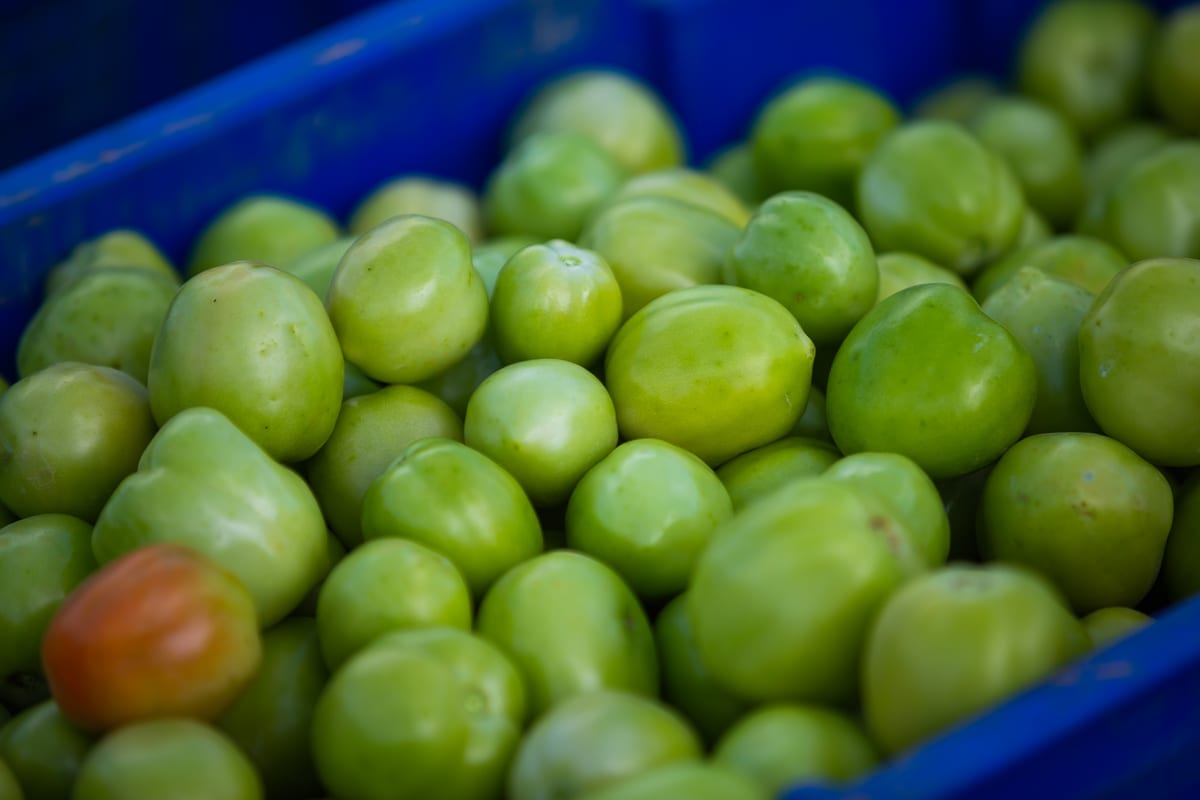
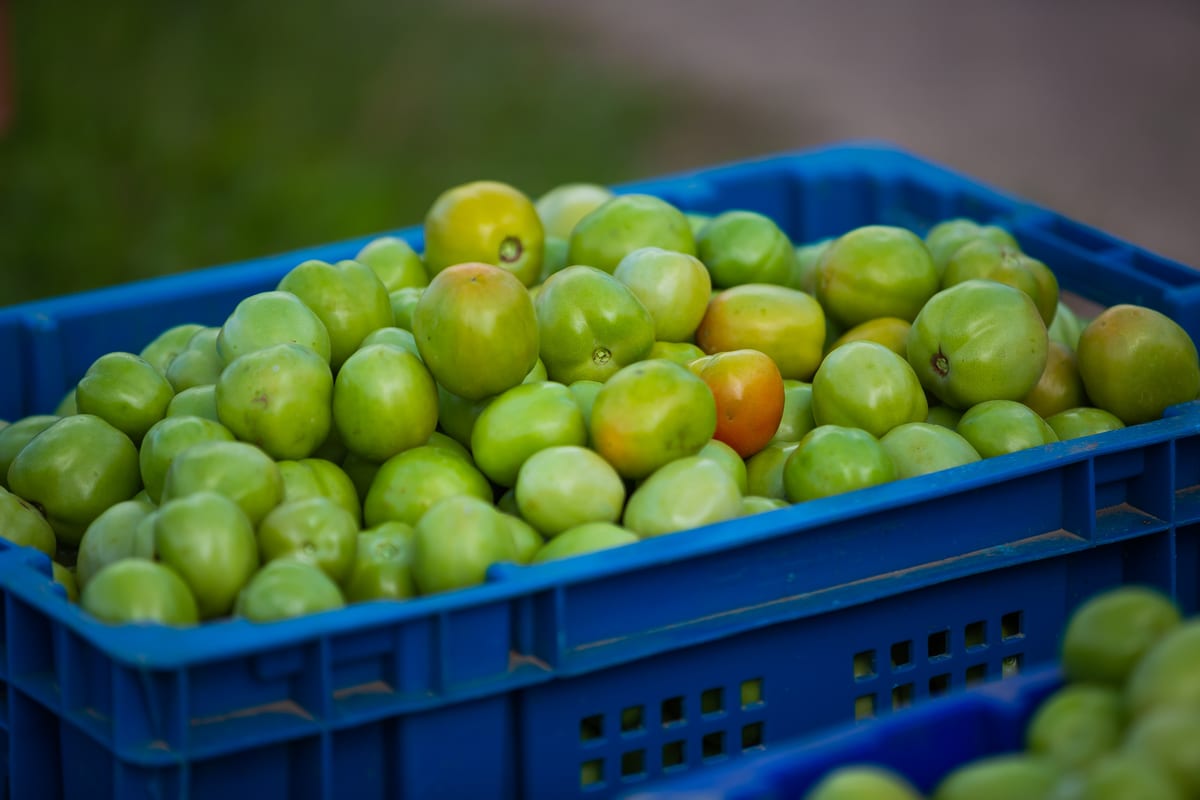
From the bucket the fruit goes into crates. Rigid plastic crates protect fruit from crushing far better than sacks, stack without loading the fruit below, and can be washed between uses. Shade, careful filling and not overloading do the rest.
Each bruise, crushed fruit or hour in the sun after this point becomes post-harvest loss. The hot pepper story models how those losses add up between the field and the buyer.