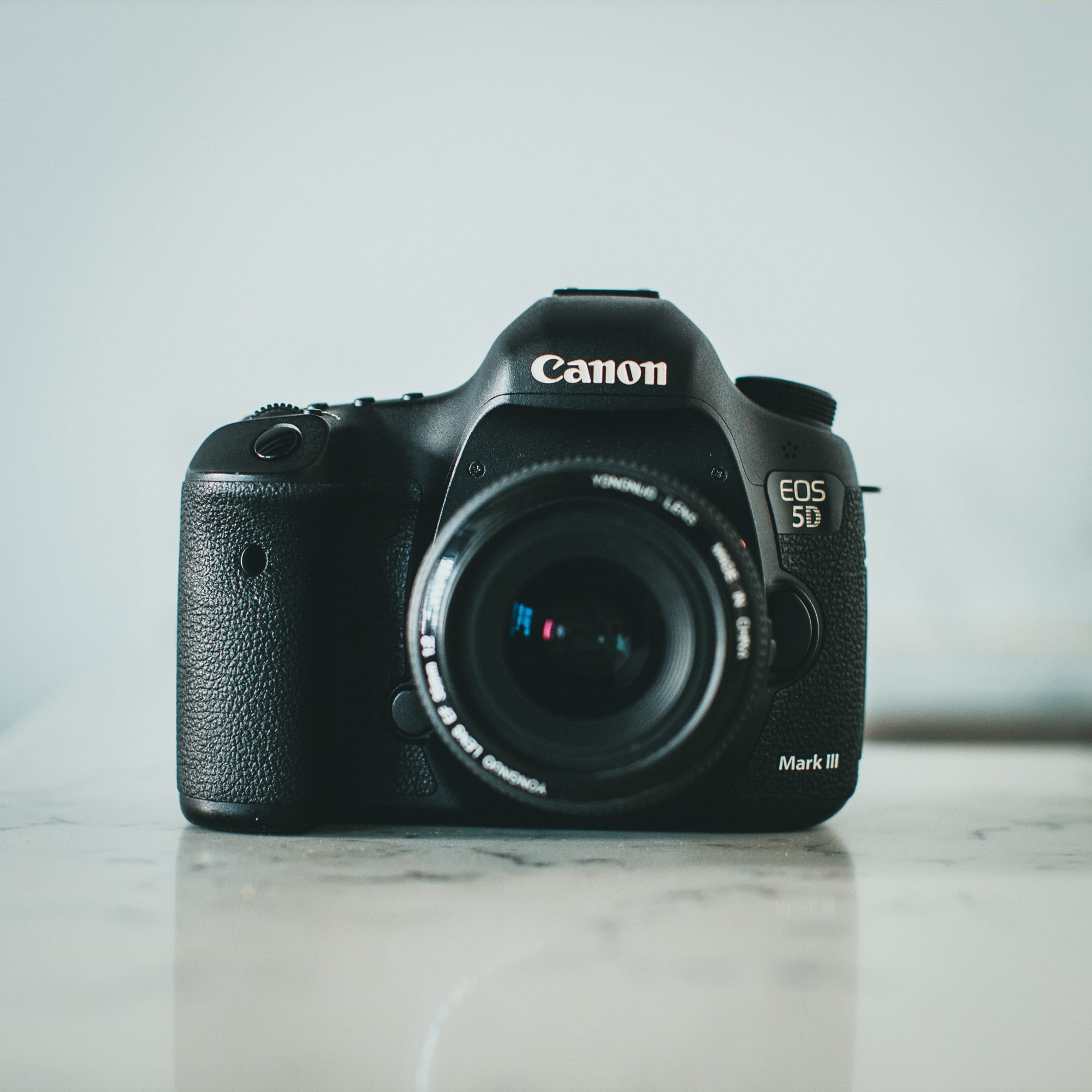
Canon EOS 5D Mark III
The camera around which this collection was built is the Canon EOS 5D Mark III, a professional full-frame digital SLR. I use a small group of Canon EF lenses, each chosen for a different photographic task. Together they cover most of what I need outdoors: the wider landscape, ordinary field work, distant subjects and close-up detail.
The 5D Mark III records 14-bit RAW files at a maximum resolution of 5760 × 3840 pixels. Its 22.3-megapixel full-frame sensor provides enough detail for substantial prints, illustrated publications and the selective cropping of photographs for different layouts. The RAW files also give considerable latitude in adjusting white balance and recovering tonal information during processing, provided the original exposure contains it.
At 300 pixels per inch, the full-resolution image can be reproduced at about 19.2 × 12.8 inches without enlarging the file. Smaller JPEGs can be produced for online use while the original remains available for larger publications. The camera accepts both CF and SD cards, which can record the same photographs to both when redundancy is required.
The lens often has a greater influence on the kind of image I can make than the camera body. Focal length, aperture, focusing distance and the quality of the light determine whether a photograph explains its surroundings or reveals a small detail within them.
22.3 MP, 36 × 24 mm CMOS, 5760 × 3840 pixels, 14-bit CR2 RAW, Canon EF mount, CF and SD recording
Canon EOS 5D Mark III.. Reference photograph, Pexels
EF 100mm f/2.8L Macro IS USM: seeing the small things
The 100mm macro lens is particularly useful for botanical and agricultural photography. It focuses close enough to record a small insect, the arrangement of stamens within a flower, the texture of a seed or the surface of a fruit. At its maximum reproduction ratio of 1:1, an object is projected onto the sensor at its actual size: a subject about 36 mm across can fill the width of the frame.
The lens focuses down to 0.30 m, measured from the sensor plane rather than the front of the lens. The 100mm focal length leaves useful working distance when photographing insects or foliage that the camera must not disturb. Canon's Hybrid IS compensates for angular and shift movement when working handheld, but it cannot stop a flower moving in the wind or an active insect.
Depth of field becomes extremely shallow at close distances. I may stop down, use a tripod or diffused flash, or deliberately place the plane of focus across the most important features. For an immobile subject, several exposures at different focus distances can be combined to make more of it sharp; any such composite used for documentation should be identified as one.
For agricultural work the lens can record visible surface damage, insect presence, plant structure and changes in the appearance of produce. It does not in itself identify a disease or establish the cause of a defect; that requires expert interpretation.
100mm, f/2.8, 1:1 maximum reproduction, 0.30 m minimum focus, Hybrid IS, USM autofocus
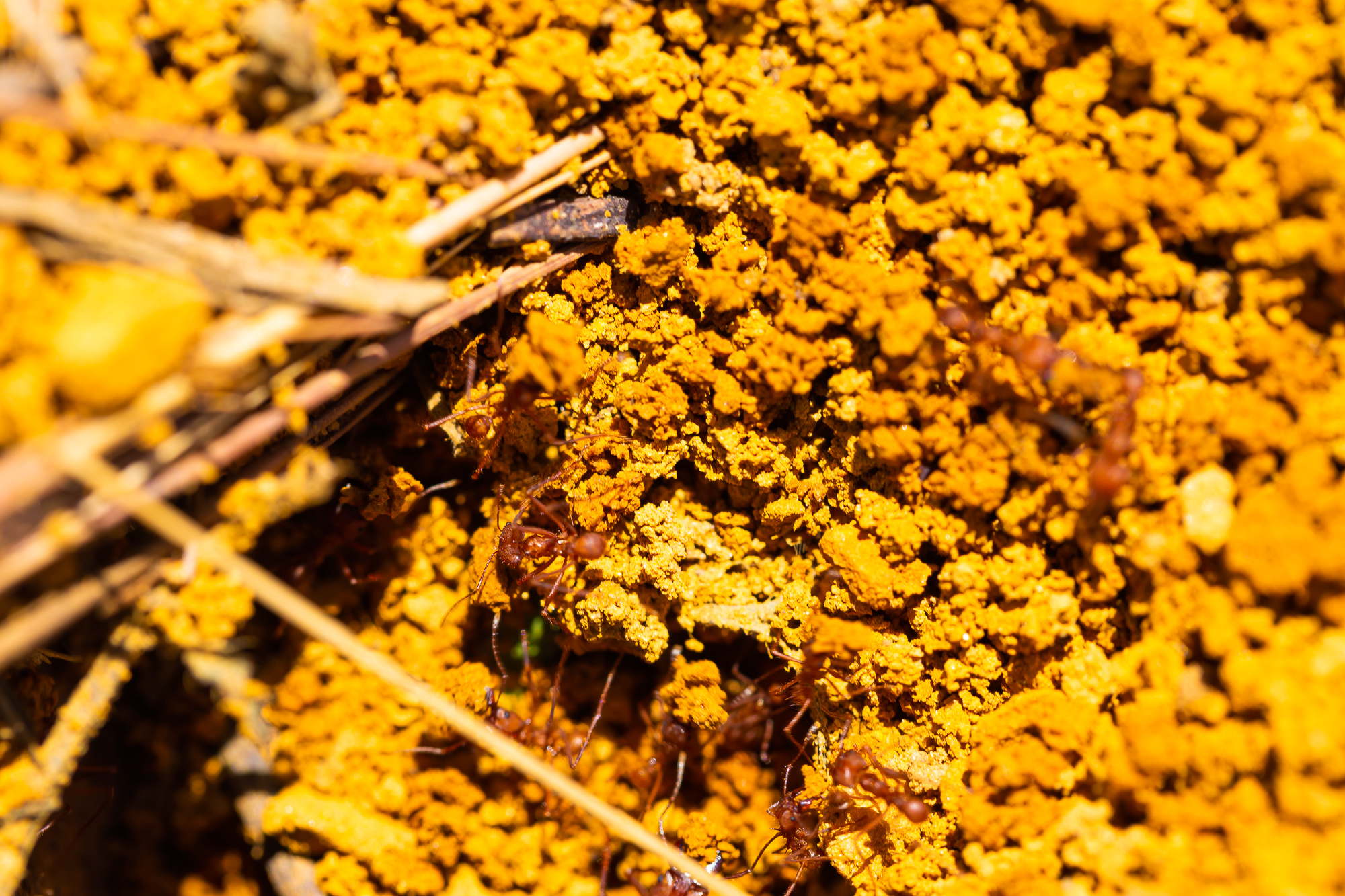
Made with the EF 100mm f/2.8L Macro
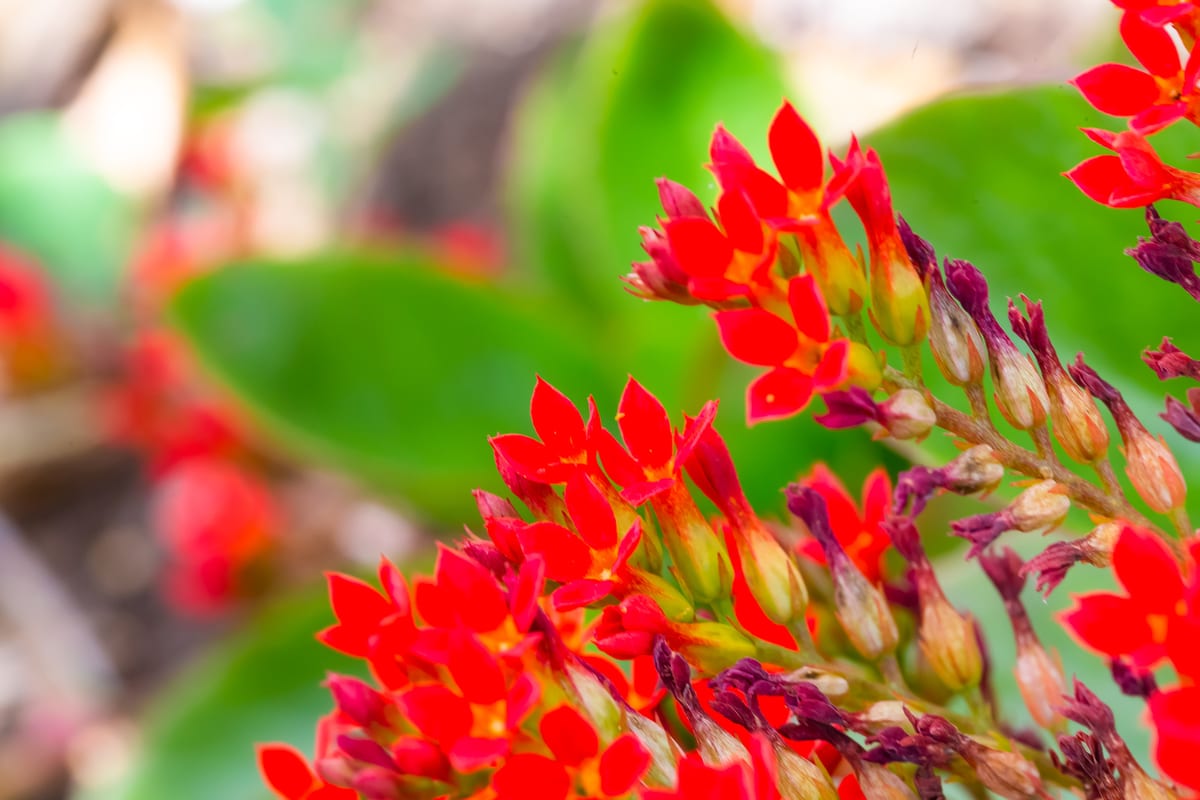
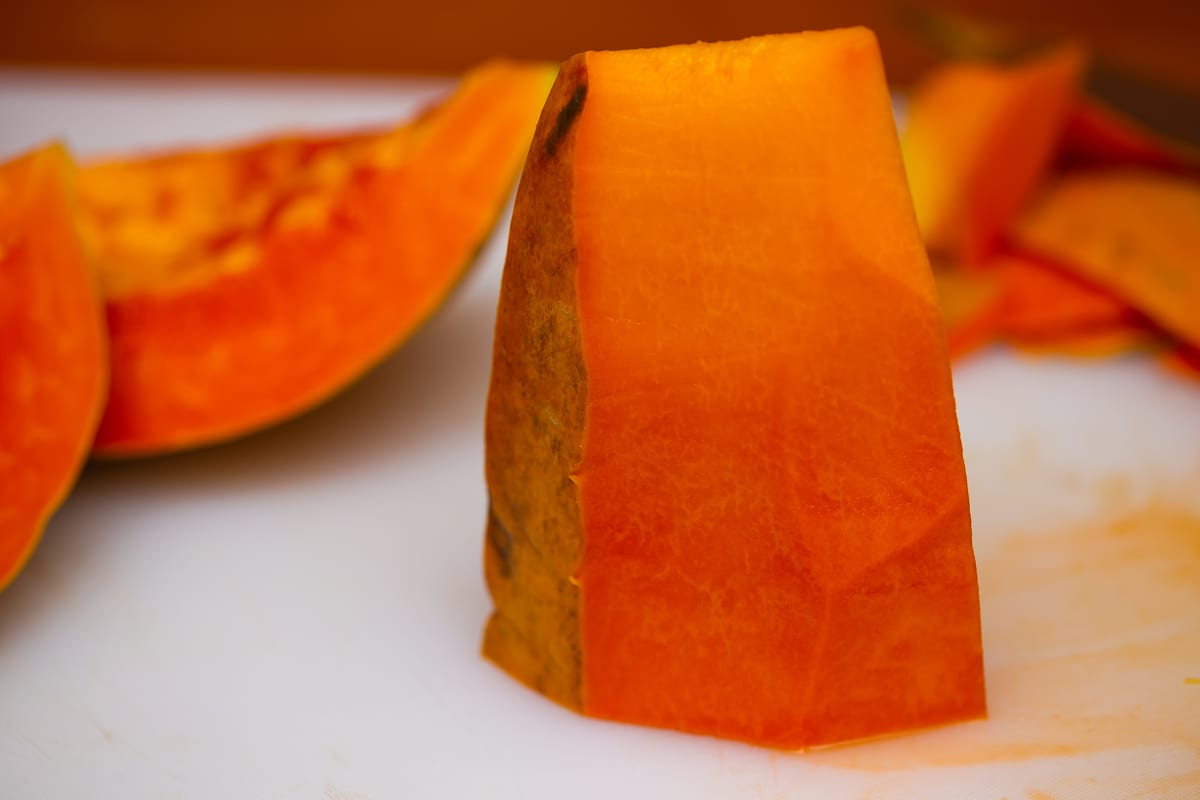
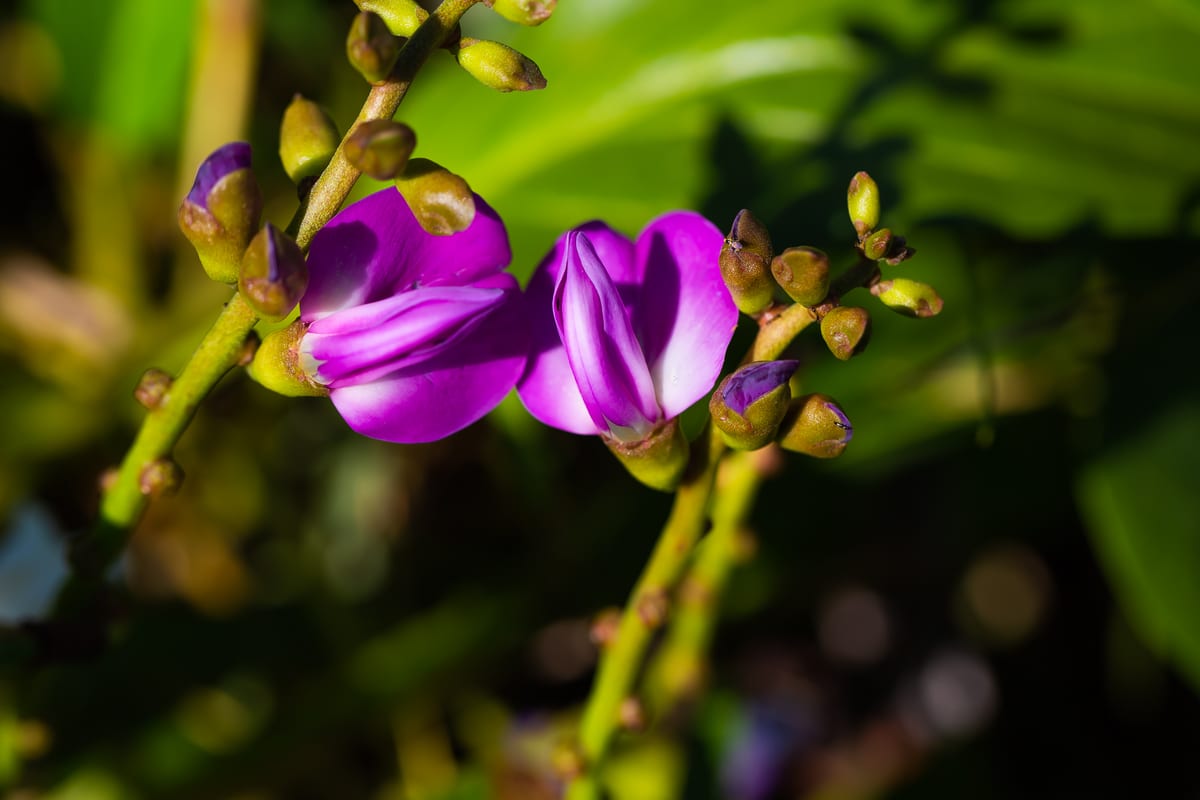
All 111 photographs taken with this lens, identified from the lens recorded by the camera.
EF 24–105mm f/4L IS USM: the general-purpose field lens
The 24–105mm is the lens I would ordinarily choose for a day of field documentation. Its range lets me photograph the surrounding landscape at 24mm, move in to show a person at work, and then frame the activity or equipment more tightly without changing lenses. The maximum aperture stays at f/4 throughout the range, which keeps exposure planning simple.
A photograph of an agricultural practice often needs to establish the relationship between several things: the rows of crops, an irrigation line, a worker and the tools being used. The wide end provides the setting; longer focal lengths give a more selective view. Close focusing is useful for larger flowers, harvested vegetables and containers that do not need true macro magnification.
It is also a useful landscape lens. The range is wide enough for many views of the coast and countryside without the curvature of a fisheye, and with a small aperture and a carefully chosen focus distance much of the scene can be kept sharp.
24–105mm, constant f/4, optical IS, 0.45 m minimum focus, 0.23× maximum reproduction
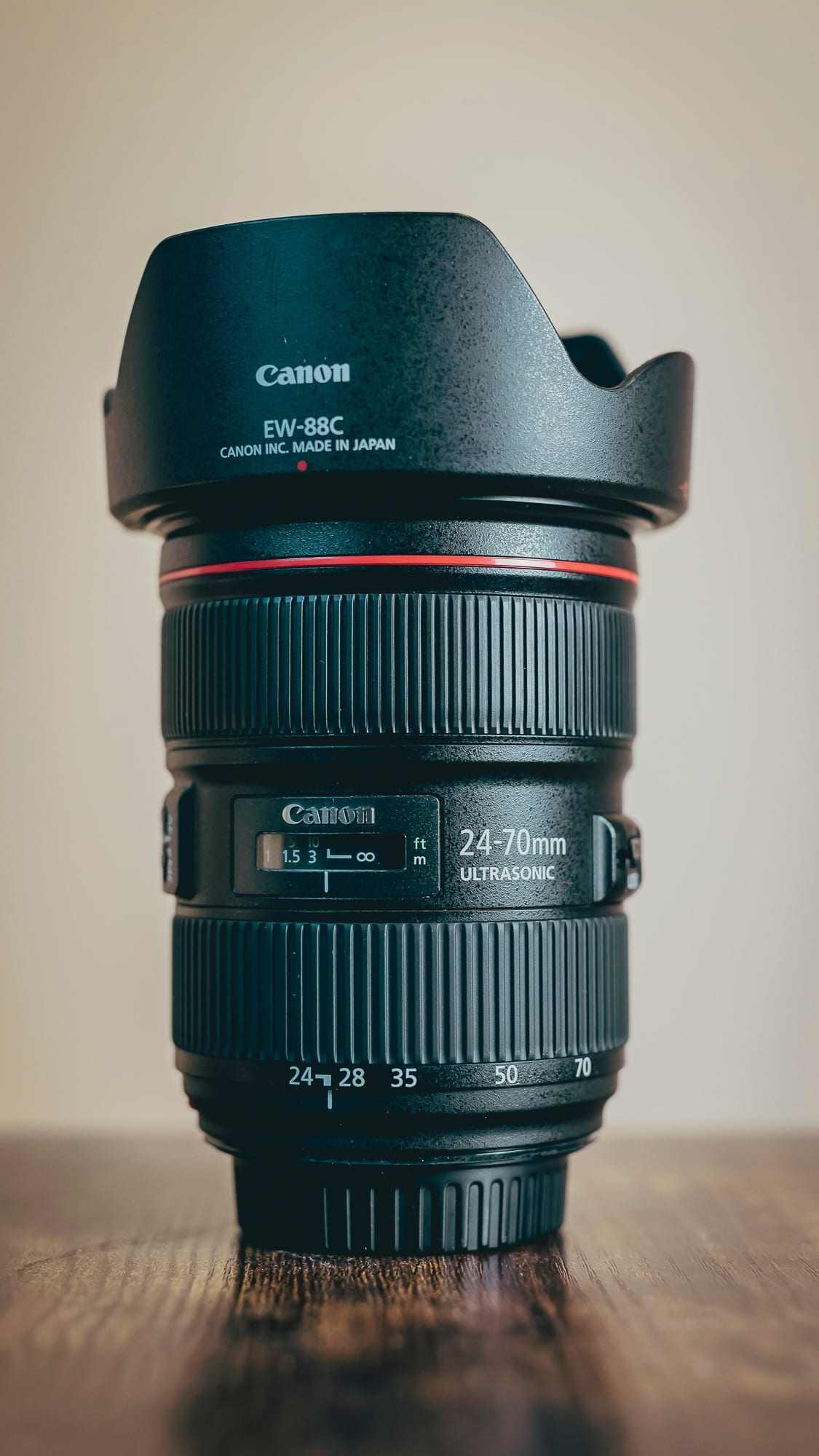
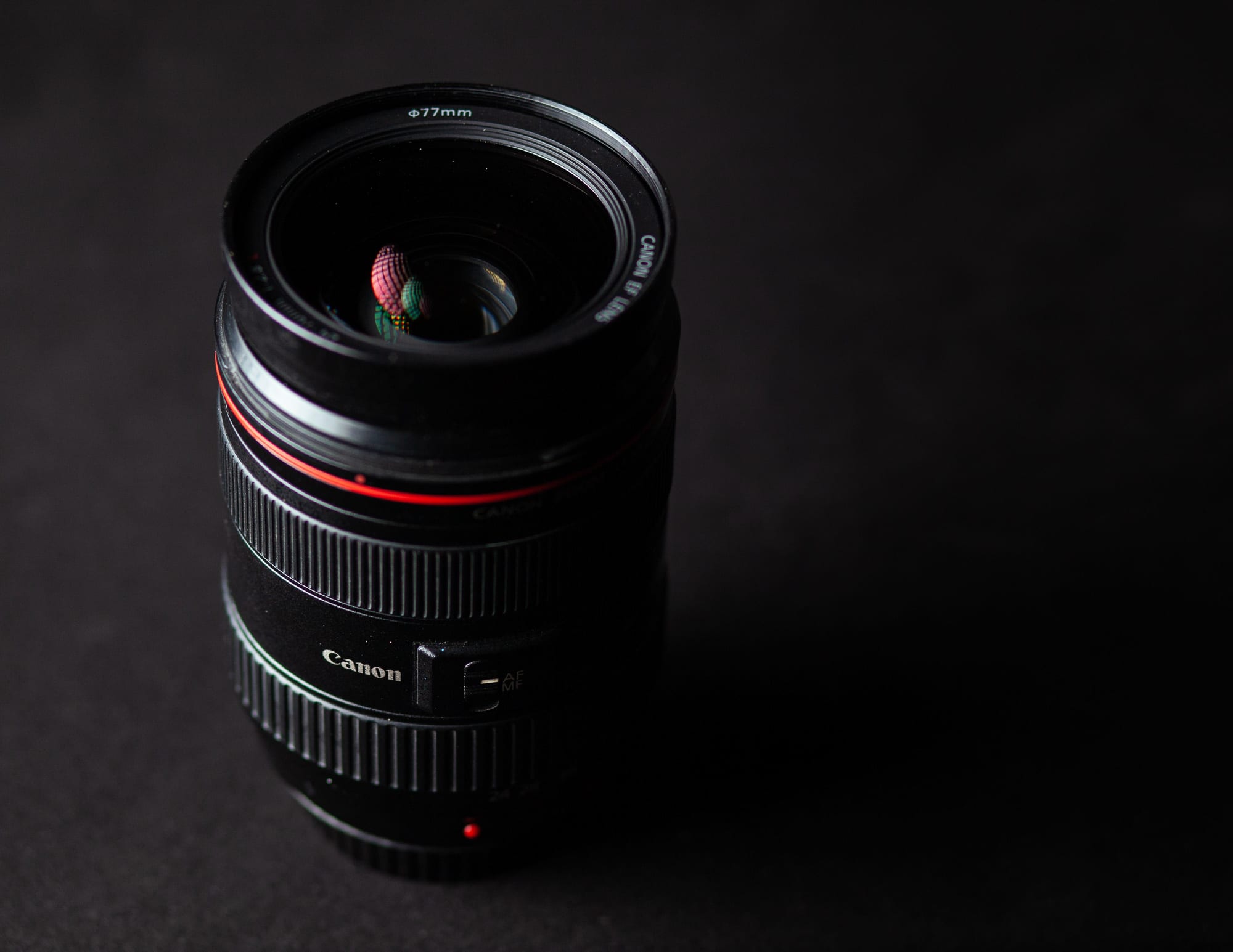
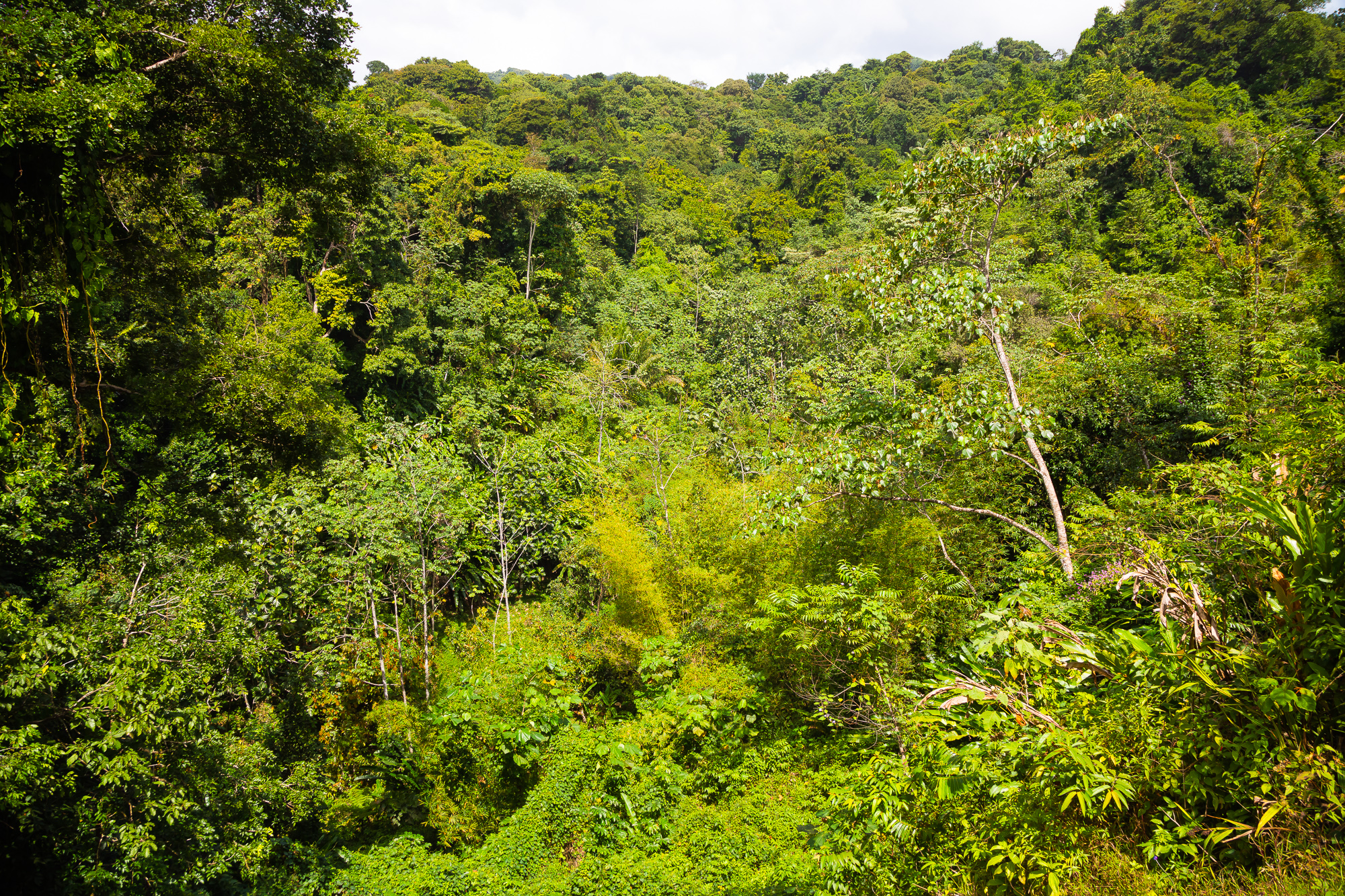
Made with the EF 24–105mm f/4L
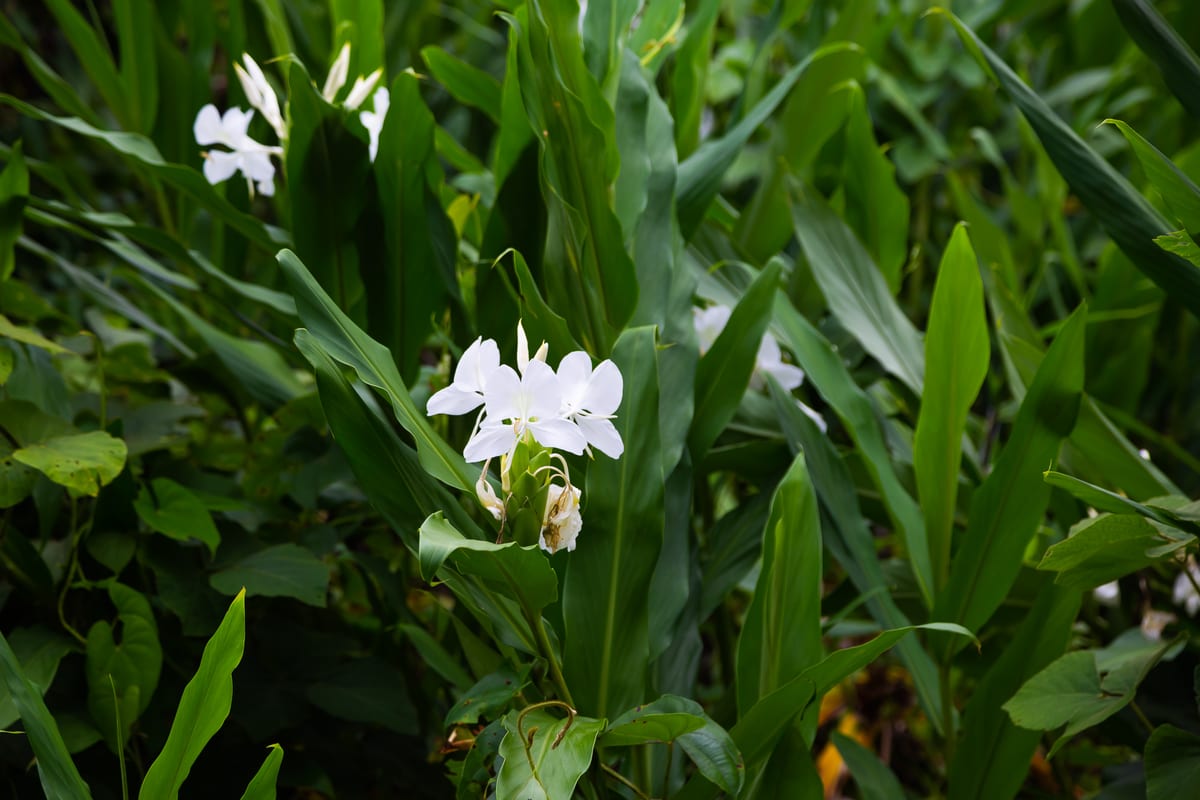
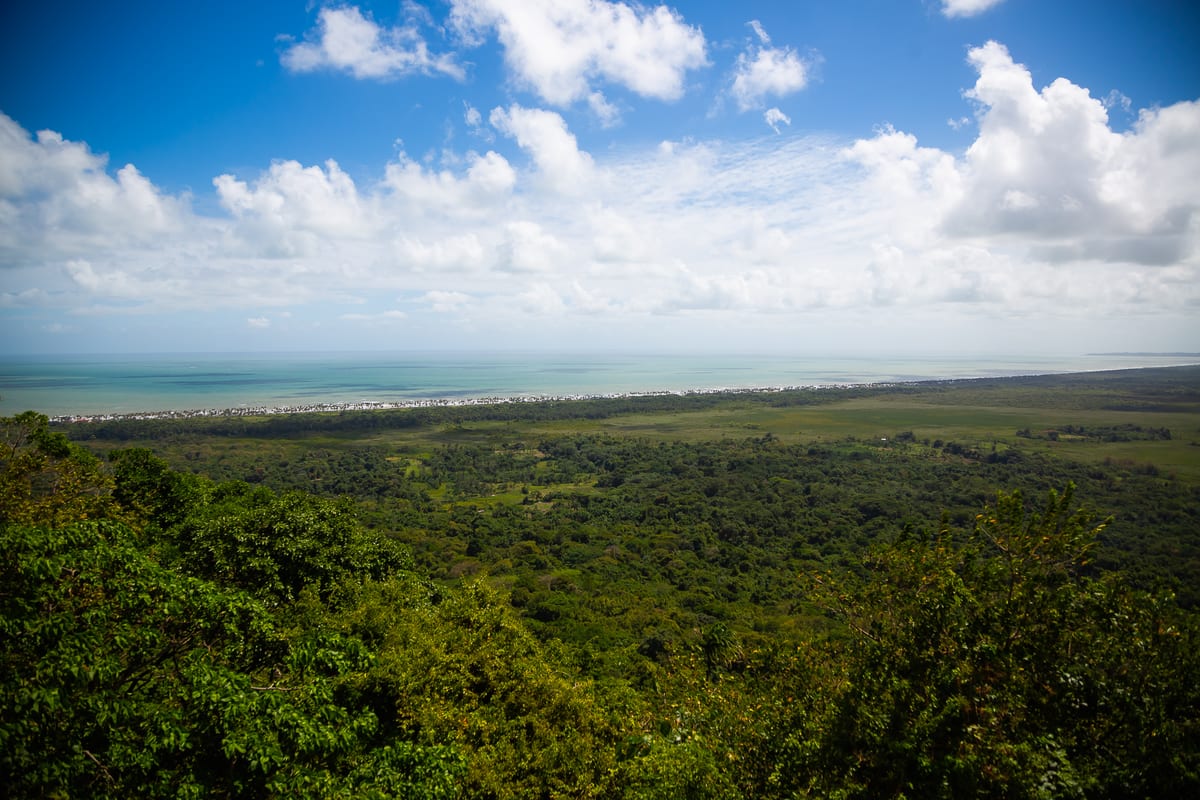
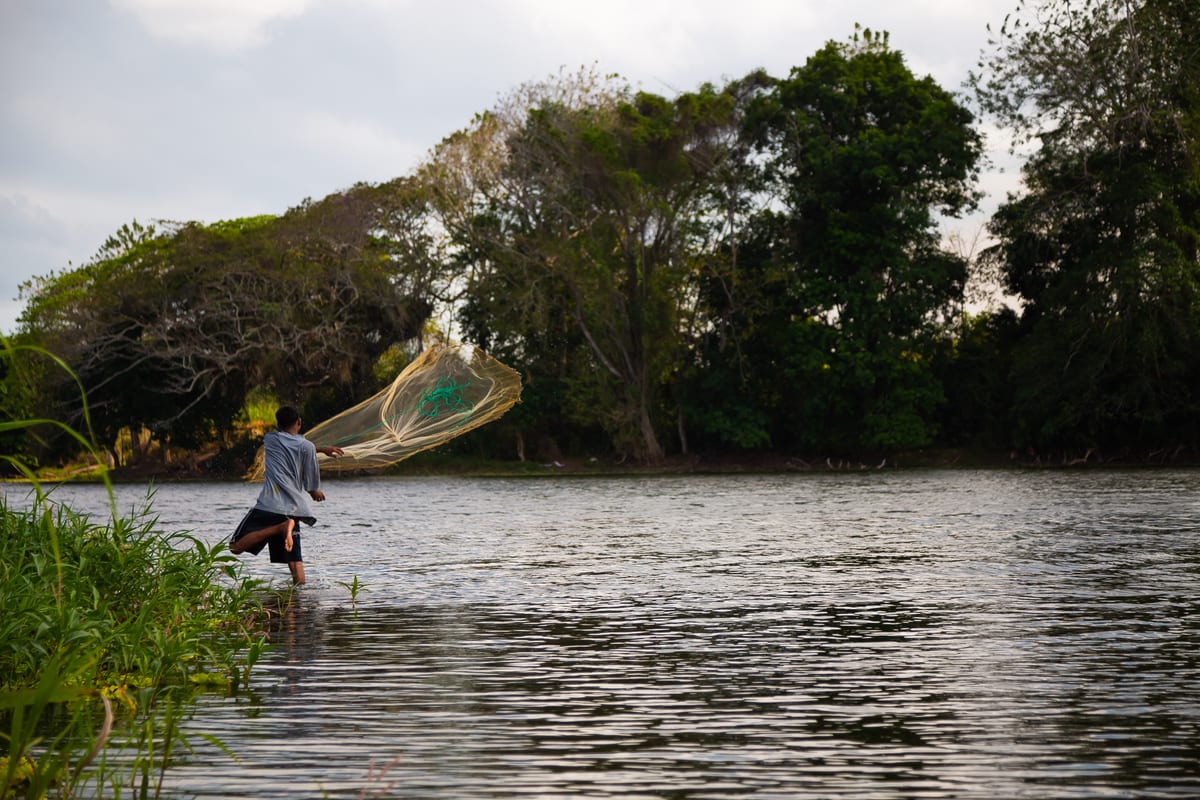
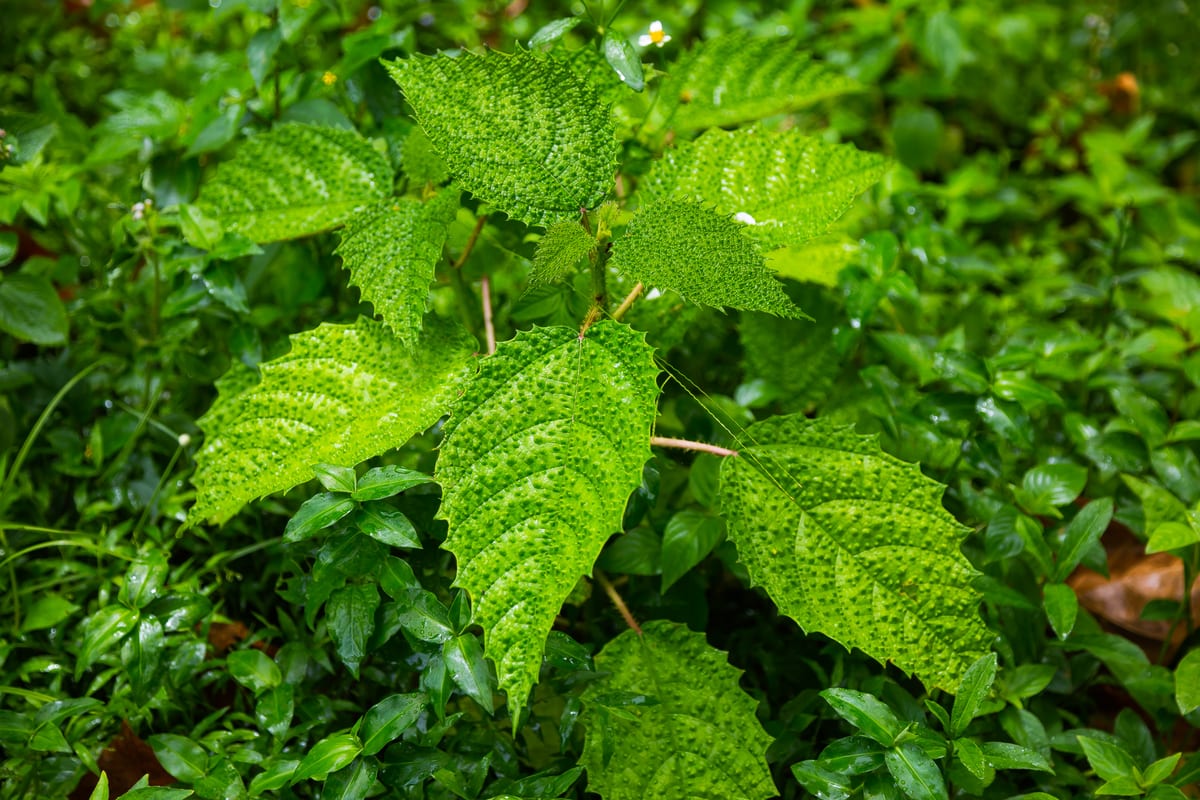
All 201 photographs taken with this lens, identified from the lens recorded by the camera.
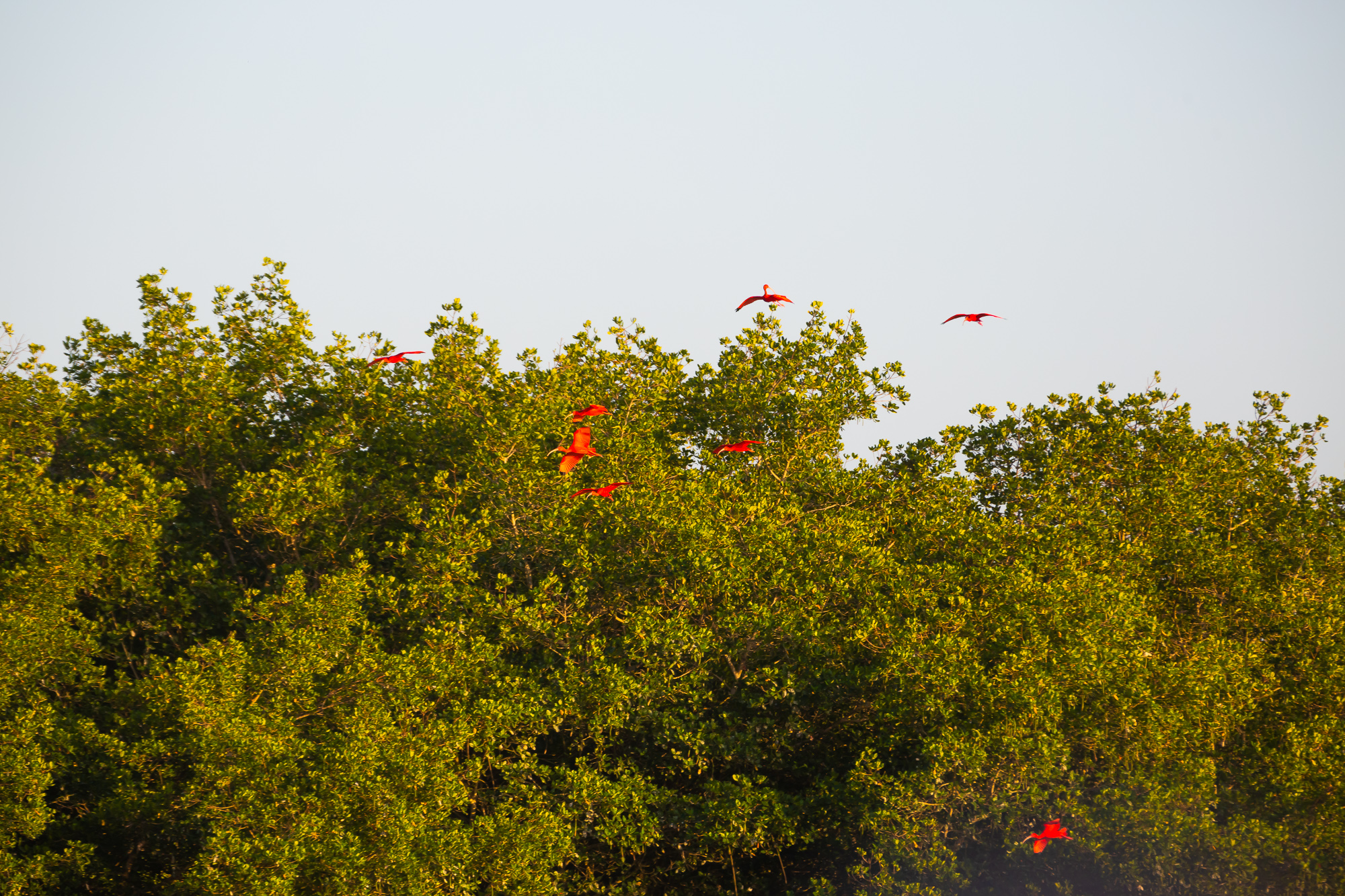
EF 70–200mm f/2.8L IS II USM: working at a distance
There are many occasions when moving closer is impractical or would change what I am observing. A bird may move away, a butterfly may leave a flower, or a worker may be doing something that should not be interrupted. The 70–200mm zoom is useful in these circumstances.
At 200mm a distant subject can be framed without standing close to it. The f/2.8 aperture allows faster shutter speeds when the light is limited and helps separate the subject from a distracting background. Stabilisation reduces the effect of camera movement; for moving subjects the shutter speed still has to suit their activity.
The lens is also useful for people working in the landscape, for isolating details within a larger scene and for patterns in vegetation. For smaller or more distant birds, 200mm may not fill the frame. The aim is to work within the available reach rather than disturb wildlife for a closer photograph.
70–200mm, constant f/2.8, optical IS, USM autofocus, 1.2 m minimum focus, 0.21× maximum reproduction
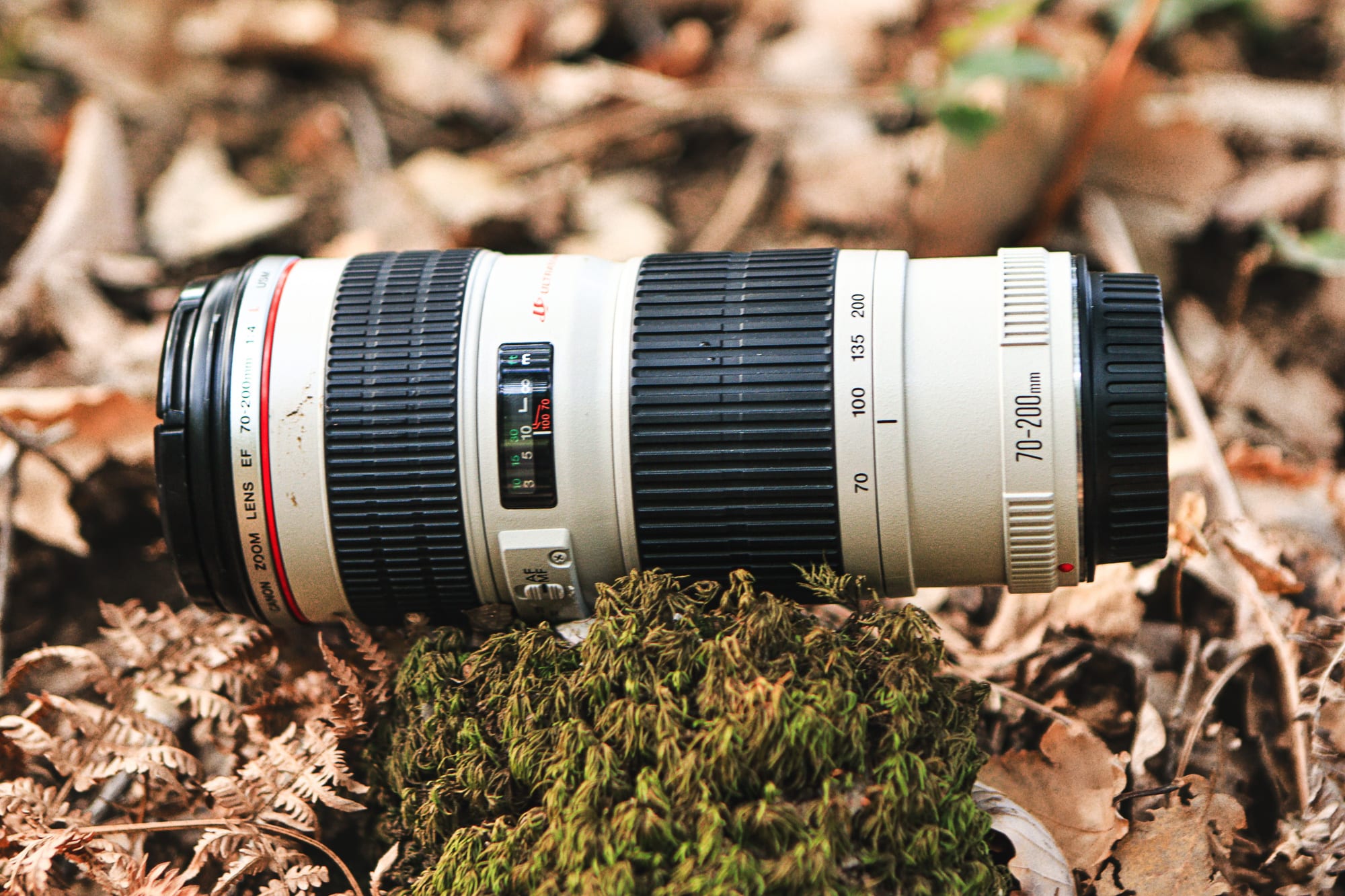
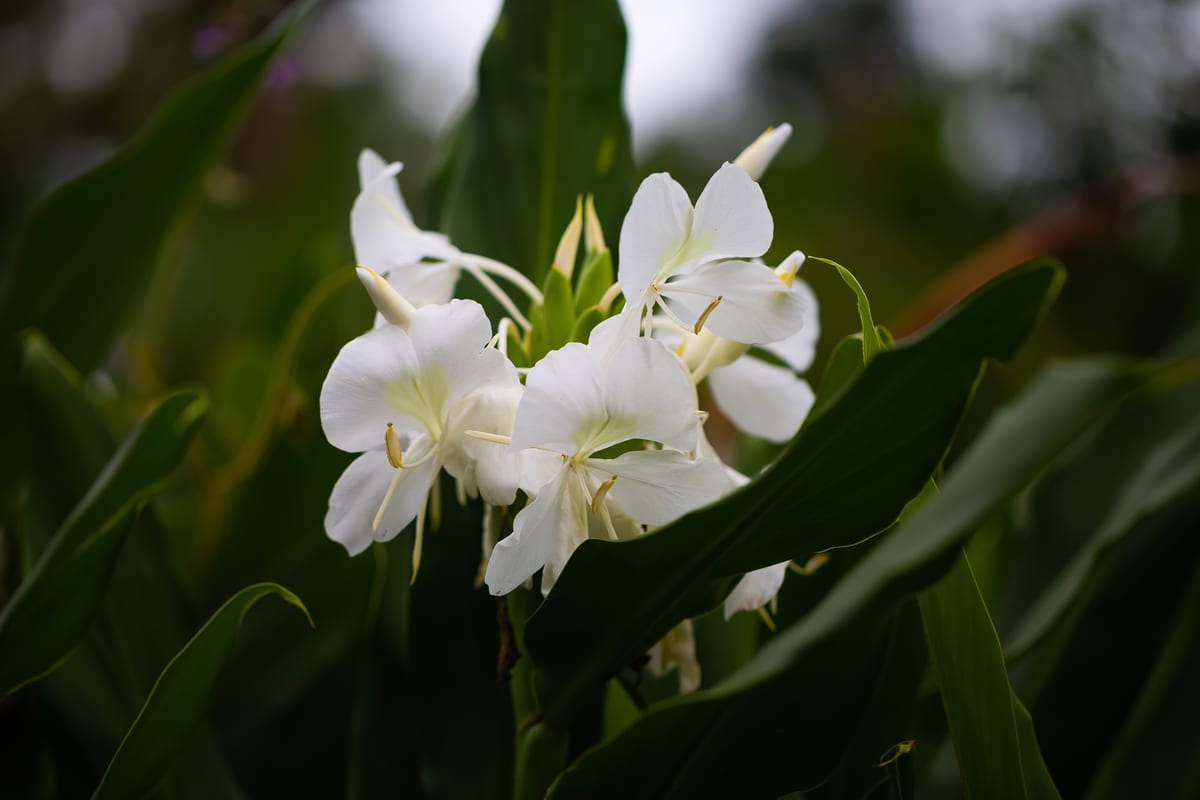
Made with the EF 70–200mm f/2.8L IS II
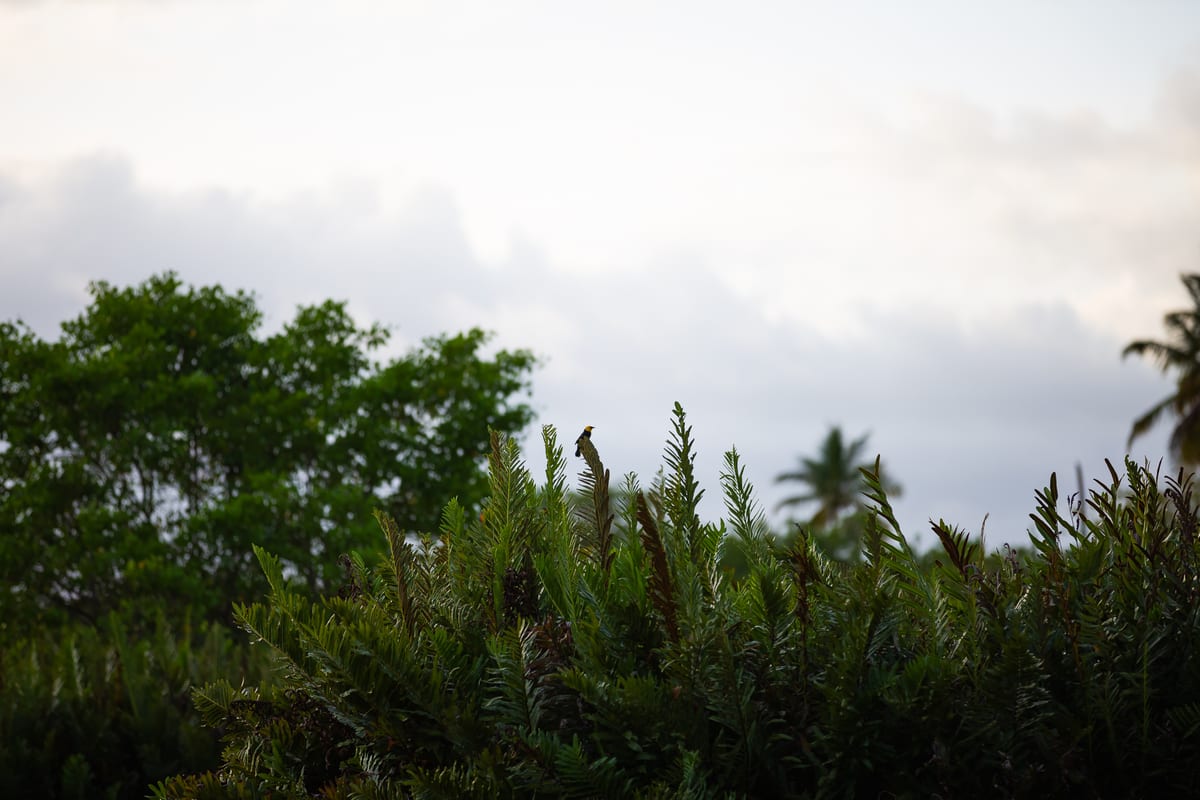
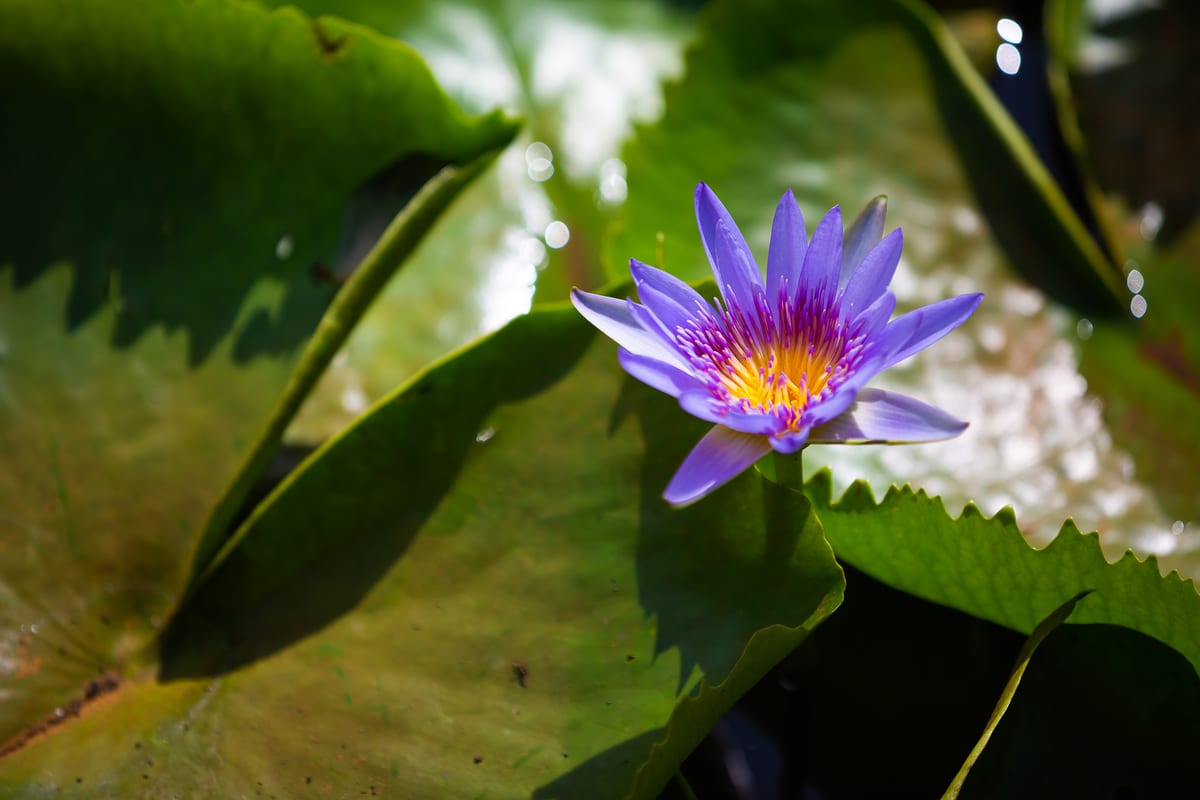
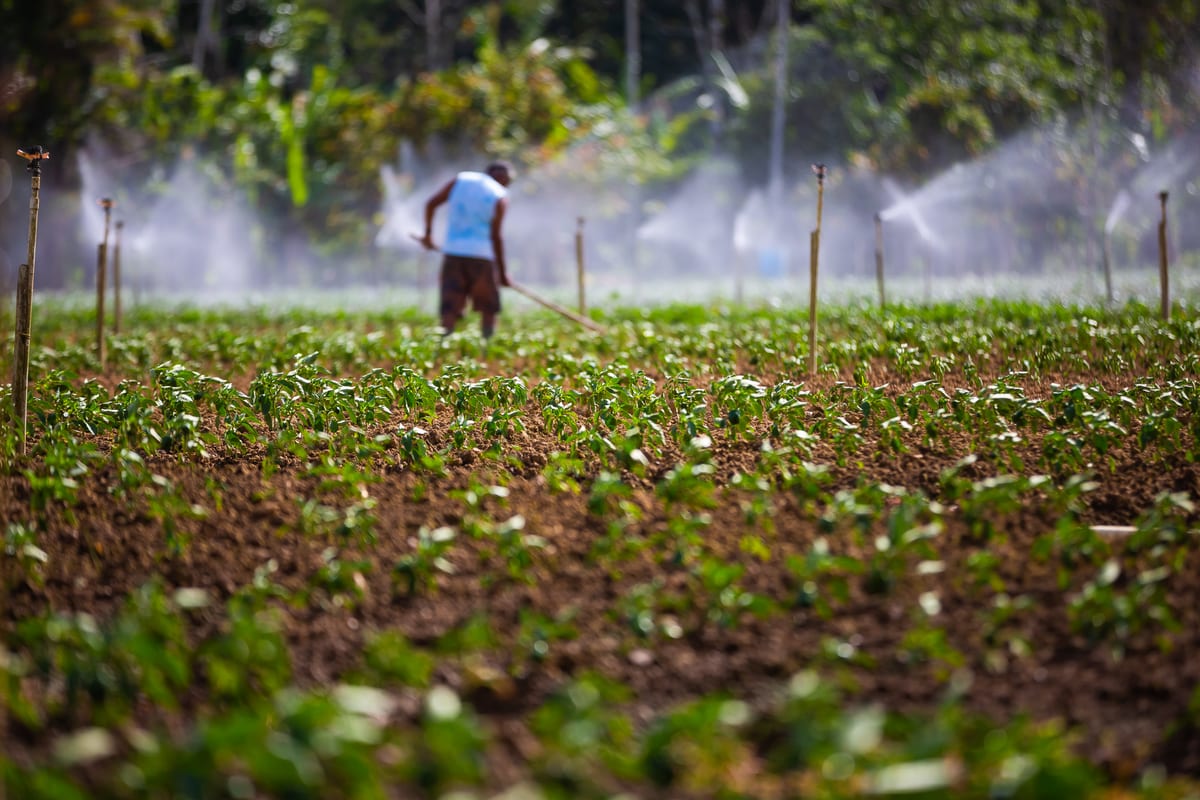
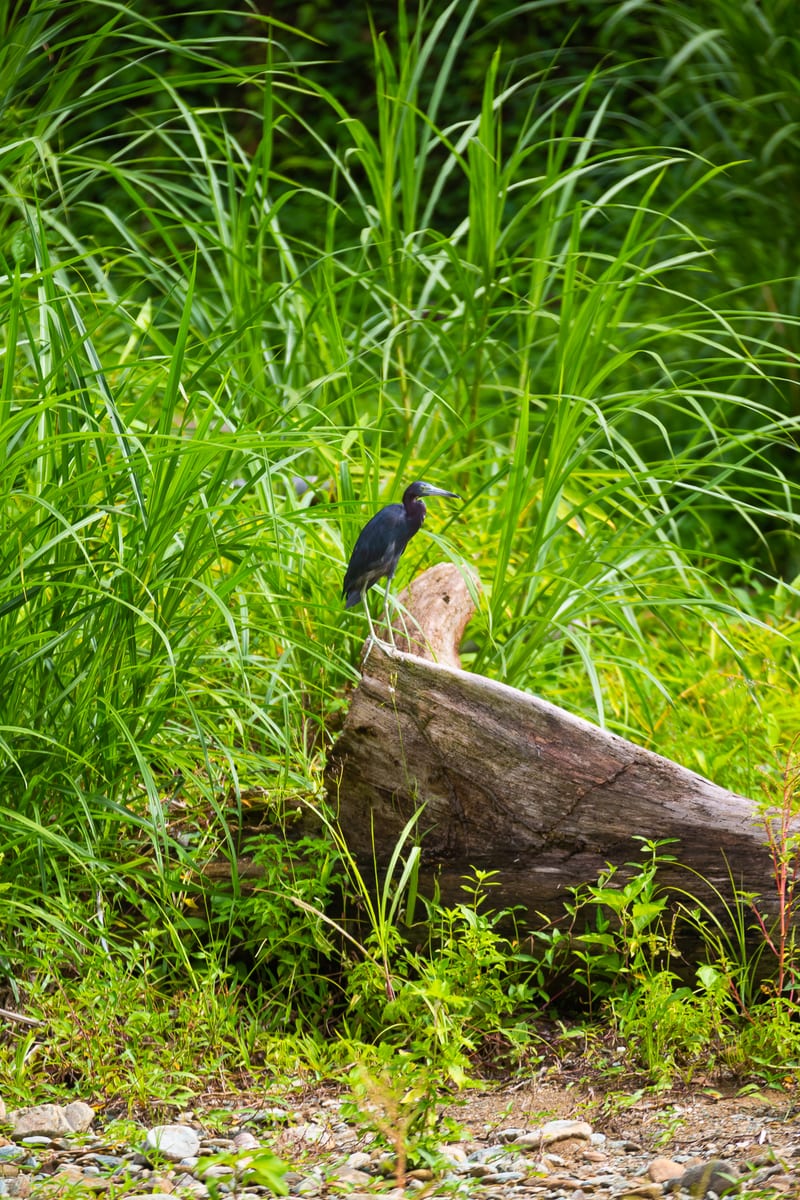
All 120 photographs taken with this lens, identified from the lens recorded by the camera.
EF 50mm f/1.2L USM: selective focus and natural light
A fixed focal length encourages a different way of working. Instead of zooming, I decide where to stand and how the subject relates to what is around it. On a full-frame camera, 50mm gives a moderate angle of view suited to individual plants, produce, food, portraits and details of everyday life.
The attraction of the f/1.2 lens is the control it gives over depth of field. Wide open, it can isolate a small area of sharp focus against a very soft background, which helps in a busy garden or a portrait. The wide aperture is also useful in available light.
That effect is not right for every photograph. In a technical manual, a fruit or piece of equipment may need to be sharp throughout, so a smaller aperture is better. The intended use decides: the same lens can make an expressive photograph or a plain descriptive one.
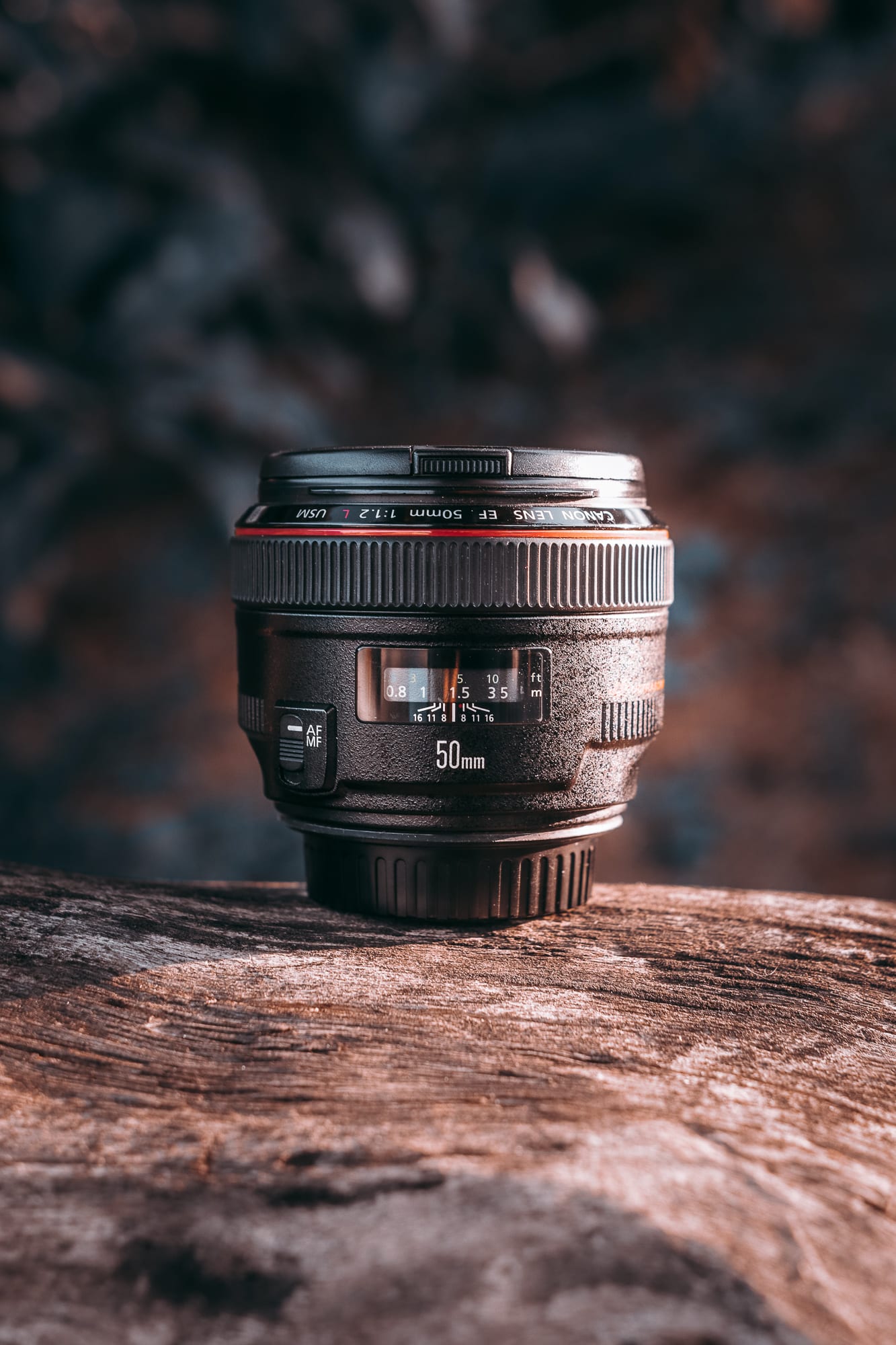
50mm, f/1.2, full-frame standard prime, 0.45 m minimum focus, USM autofocus
A Canon L-series standard prime.. Reference photograph, Pexels
Other lenses, lighting and field equipment
Other lenses include the compact Canon EF 50mm f/1.8 II, a Tokina 11–16mm f/2.8 ultra-wide zoom and a Rokinon 8mm f/3.5 fisheye. The last two are designed for smaller sensors; on a full-frame camera they have coverage limitations and are not my standard lenses for documentary work. A fisheye gives a striking sense of space but bends straight lines, so its use is mainly creative.
For close-up and controlled photography I have flash units with wireless TTL triggering, softboxes, tripods, stands and backdrops. A simple diffused light can make the surface of a vegetable, seed or insect easier to examine, and a tripod holds framing and distance constant when comparing specimens.
A controlled setup matters most when photographs must be compared. Similar lighting, camera position, background and white balance make differences between subjects easier to see. A scale or colour reference can be included when needed. The record then becomes more useful than a set of unrelated attractive images.
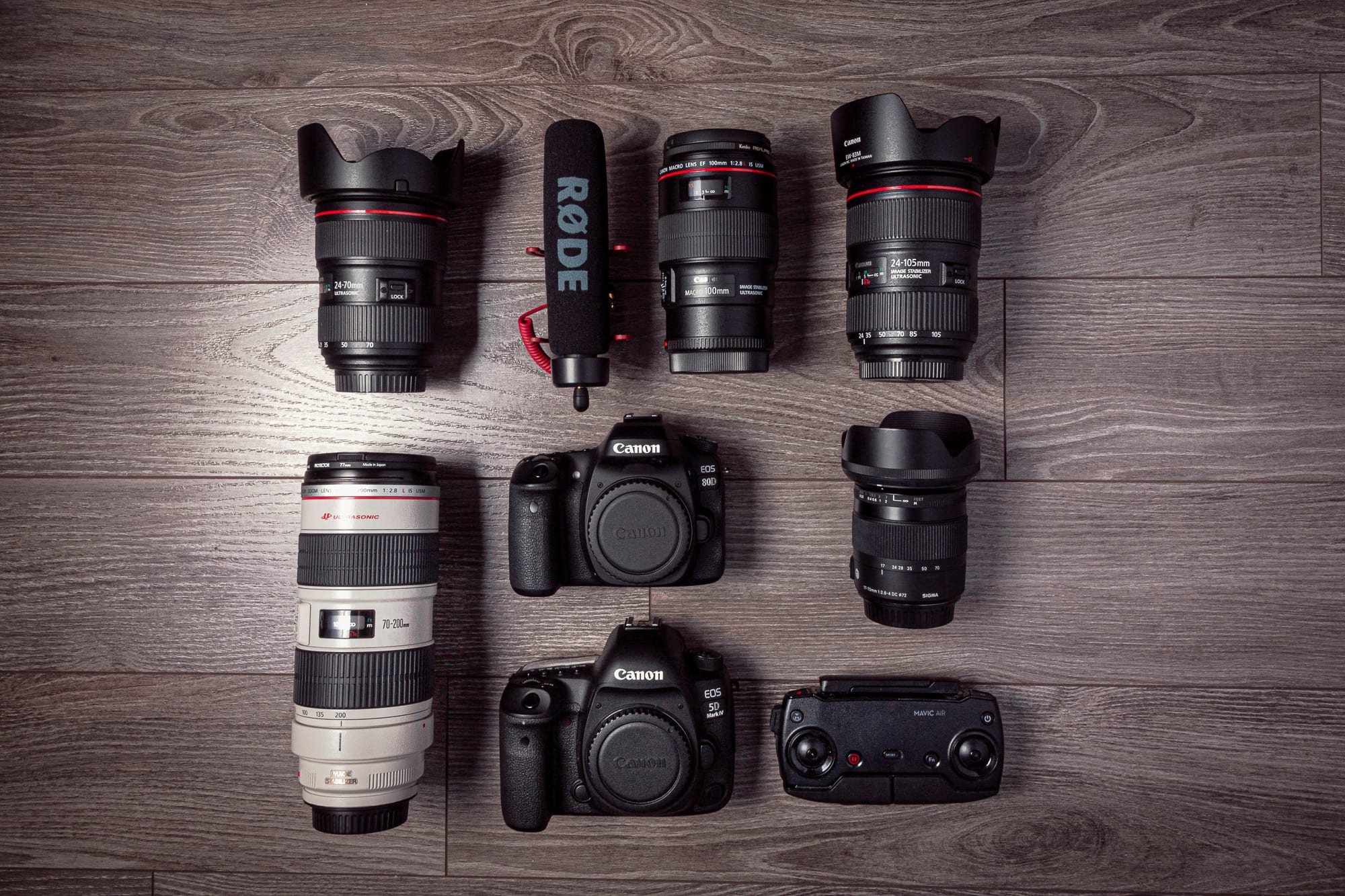
A Canon camera system laid out: bodies, lenses and accessories. Not the inventory listed below.. Reference photograph, Pexels
Equipment in the collection
| Item | Use |
|---|---|
| Canon EOS 5D Mark III | Full-frame DSLR; principal camera, 22.3 MP RAW photography. |
| Canon EF 24–105mm f/4L IS USM (original version) | Standard zoom; field work, landscapes, documentary sequences. |
| Canon EF 70–200mm f/2.8L IS II USM | Telephoto zoom; wildlife, distant activities and environmental details. |
| Canon EF 100mm f/2.8L Macro IS USM | Life-size close-ups; flowers, insects, produce and small technical detail. |
| Canon EF 50mm f/1.2L USM | Fast prime; selective focus, natural light and portraits. |
| Canon EF 50mm f/1.8 II | Compact general-purpose prime. |
| Tokina AT-X 116 PRO DX II 11–16mm f/2.8 | APS-C ultra-wide zoom; specialist use, limited coverage on full frame. |
| Rokinon 8mm f/3.5 HD Fisheye | APS-C creative ultra-wide; pronounced distortion. |
| Flash units and wireless TTL triggering | Portable and controlled lighting. |
| Softboxes, stands and backdrops | Controlled photography of produce and objects. |
| Tripods and supports | Stable framing, long exposures and repeatable setups. |
| Neutral-density and other filters | Exposure control and specialised creative work. |